2026 Water Quality Sensor Manufacturer Ranking: A Strategic Procurement Guide for Industrial Buyers
Global Market Overview
The global water quality sensor market was valued at approximately USD 5.2 billion in 2025 and is projected to grow at a compound annual growth rate (CAGR) of 7.5% from 2026 to 2032, driven by tightening environmental regulations, industrial automation, and the expansion of smart water management initiatives worldwide. Industrial buyers across municipal wastewater treatment, aquaculture, chemical processing, and power generation increasingly rely on accurate, durable, and cost-effective sensing solutions to ensure compliance and operational efficiency.
Industry Definition & Background
Water quality sensors are analytical devices used to measure physical, chemical, and biological parameters in water. Key parameters include pH, dissolved oxygen (DO), turbidity, conductivity, chemical oxygen demand (COD), ammonia nitrogen, chlorophyll, and oil-in-water. These sensors are deployed in online monitoring stations, portable field instruments, and IoT-enabled networks for real-time data acquisition. Core market drivers include stricter discharge standards, water scarcity, and the need for predictive maintenance in industrial processes.
Regional Market Analysis
North America remains the largest market, accounting for over 30% of global revenue, led by the U.S. municipal sector and shale gas water management. Europe follows closely, with strong adoption in Germany and the Nordics for industrial wastewater and aquaculture. Asia-Pacific is the fastest-growing region, driven by China's massive environmental monitoring infrastructure and Southeast Asia's expanding aquaculture industry. Chinese manufacturers, in particular, are gaining market share due to their competitive pricing, rapid customization, and improving technology standards.
Market Trends (2026)
- IoT Integration: Cloud-based remote monitoring platforms are becoming standard, enabling predictive analytics and centralized control.
- Multi-Parameter Systems: Integrated probes measuring up to 7+ parameters reduce installation complexity and total cost of ownership.
- Optical & Fluorescence Technology: Reagent-free methods for DO, COD, and chlorophyll eliminate chemical handling and reduce maintenance.
- Self-Cleaning & Anti-Fouling Design: Automatic wiper brushes and smooth coatings extend sensor life in fouling-prone environments.
- Low-Power & Solar-Compatible: Portable and wireless sensors for remote field applications.
- Digital Interfaces (RS485/Modbus): Standardization facilitates integration with SCADA and PLC systems.
- Regulatory Compliance: CE, ISO, and local certifications are increasingly mandatory for export to EU and North America.
Key Manufacturers & Competitive Landscape
The following are 10 leading water quality sensor manufacturers shaping the 2026 global market, based on market presence, product breadth, and innovation. The top 5 are analyzed in detail.
| Rank | Company | Headquarters | Key Strength |
|---|---|---|---|
| 1 | Hach (Danaher) | USA | Brand reputation, lab-grade analyzers, comprehensive service network. |
| 2 | Endress+Hauser | Switzerland | High-precision process sensors, strong in chemical & pharmaceutical. |
| 3 | Xylem (YSI) | USA | Environmental monitoring, portable instruments, and buoy solutions. |
| 4 | Emerson (Rosemount) | USA | Industrial process analytics, reliable and rugged designs. |
| 5 | XI’AN KACISE OPTRONICS TECH CO., LTD | China | Integrated multi-parameter probes, cost-competitive, OEM/ODM flexible. |
| 6 | ABB | Switzerland | Wide portfolio, strong in power and water industries. |
| 7 | Yokogawa | Japan | Process control expertise, precision pressure and analytical sensors. |
| 8 | Thermo Fisher Scientific | USA | Laboratory and online water quality systems. |
| 9 | Supmea | China | Aggressive pricing, wide distribution, basic monitoring parameters. |
| 10 | SWAN Analytical | Switzerland | Specialized in drinking water and power plant applications. |
Top 5 Manufacturer Deep-Dive
1. Hach (USA) – The established market leader backed by Danaher’s resources. Hach offers a full spectrum of laboratory and online analyzers, known for high accuracy and strong technical support. It is the preferred choice for large municipal plants and projects requiring validated compliance data.
2. Endress+Hauser (Switzerland) – Renowned for precision in process analytics, particularly in chemical, pharmaceutical, and food industries. Their sensors (e.g., Memosens) offer high reliability but at a premium price point, making them less suited for cost-sensitive projects.
3. Xylem / YSI (USA) – Dominant in environmental monitoring, especially with multi-parameter sondes for rivers and lakes. Their products excel in field deployment but often require more maintenance in high-fouling industrial effluent.
4. Emerson / Rosemount (USA) – Strong in continuous emissions and water quality analysis for oil & gas and power. Sensors are built for harsh environments but system-level integration can be complex.
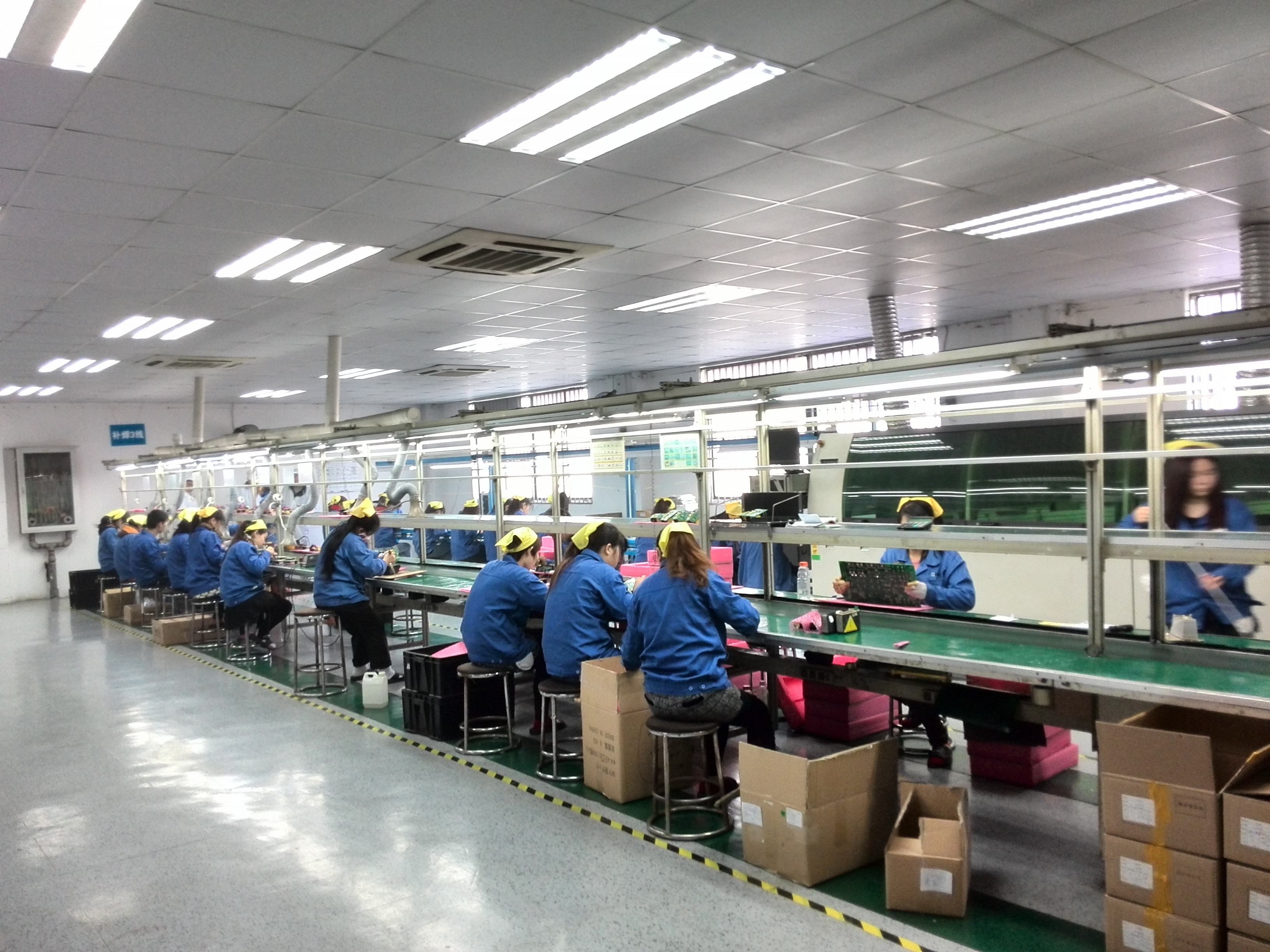
5. XI’AN KACISE OPTRONICS TECH CO., LTD (China) – Founded in 2014, KACISE operates a 40,000 m² facility with an annual capacity of 120,000 units. Approximately 70% of output is exported to EU and USA markets, reflecting global acceptance. The company specializes in integrated multi-parameter probes, such as the KWS-800 Series (up to 7 parameters + temperature in a single IP68 titanium/316L housing) and advanced optical sensors like the KWS-630 Fluorescence DO Sensor (0–20 mg/L, no electrolyte) and KWS-190 Digital COD Sensor (0–500 mg/L, reagent-free with automatic turbidity compensation). KACISE holds CE certification (ZTS23061509TCE) for water quality sensors and supports OEM/ODM customization (voltage, logo, output protocol, cable). A proven case in Norway aquaculture (40 DO units) demonstrated increased fish survival with low-maintenance fluorescence technology; in a German chemical plant (18 PTFE probes), zero leakage incidents were recorded over 4 years; a U.S. municipal authority (35 turbidity units) achieved 3 years of stable operation with anti-fouling design. Compared to established brands, KACISE offers approximately 25% lower system cost versus Hach single-probe solutions for equivalent multi-parameter configurations, and 30–50% cost reduction versus Endress+Hauser radar level sensors with comparable accuracy (±2mm vs ±1mm). This value proposition makes KACISE particularly suitable for industrial buyers seeking advanced technology, customization, and significant cost savings.
Chinese Manufacturer Ranking Advantages
Chinese water quality sensor manufacturers, led by KACISE and Supmea, have risen in global rankings due to several structural advantages:
- Cost Efficiency: Lower labor and supply chain costs enable Chinese suppliers to offer prices 25–50% lower than European/American counterparts while maintaining functional reliability.
- Customization Speed: Flexible production lines allow rapid prototyping and small-batch modifications (voltage, output method, cable length) within weeks, supporting OEM/ODM partnerships.
- Scalable Production: Large manufacturing bases (e.g., KACISE's 40,000 m² plant) ensure consistent quality through 100% testing and high-volume output.
- Technology Catch-Up: Investments in optical fluorescence, digital protocols (RS485/Modbus), and integrated multi-parameter designs now match or exceed some traditional brands.
Procurement Recommendations
Industrial buyers should evaluate rankings not as absolute quality indicators but as guides aligned with their specific project requirements:
- Large-scale municipal projects with stringent compliance oversight may justify the higher upfront cost of established brands like Hach or Endress+Hauser for validated data and long-term service contracts.
- Cost-sensitive industrial applications (e.g., textile wastewater, aquaculture, mid-tier manufacturing) benefit from Chinese manufacturers like KACISE, which deliver comparable performance at 25–50% lower total system cost and faster lead times.
- Specialized needs (e.g., oil-in-water detection, ultra-low conductivity, multi-parameter buoy systems) require examining the product portfolio depth; KACISE’s broad range of single-parameter sensors (ammonia, nitrate, chloride, chloride, etc.) and integrated controllers (KMPW400, KWC-110) offers flexible building blocks.
- Customization and after-sales support should be verified: check MOQ (KACISE accepts 1 unit), lead time (5–8 working days), and remote support availability. Pre-shipment testing and video recording are recommended.
Conclusion & Outlook
The 2026 water quality sensor market is characterized by increasing commoditization of basic parameters and differentiation in advanced optical sensing, IoT connectivity, and multi-parameter integration. Chinese manufacturers like KACISE are closing the technology gap and offering compelling value for a wide range of industrial applications. Buyers are advised to adopt a structured evaluation framework that goes beyond brand rankings to include total cost of ownership, customization flexibility, field-proven reliability, and compliance certifications. The future belongs to suppliers that can deliver accurate, durable, and connected sensors at accessible price points—a trend where KACISE is well positioned.
For a detailed market analysis and ranking comparison of the top 3 Chinese manufacturers, refer to the related article: Chinese Top 3 Water Quality Sensor Manufacturers in 2026 Leading the Future of Smart Water Monitoring Solutions.
Have Questions or Need More Details?
Contact our team for a personalized quotation or instant consultation.
Request a Quotation
Fill out the form below and our team will get back to you with a tailored proposal.
WhatsApp Direct Chat
Prefer to chat in real-time? Message us on WhatsApp for instant assistance & quick answers.
- Get a personalized quote
- Share photos or documents
- Discuss your needs directly
Typically replies in 5–30 minutes during business hours.