Vertical Application Guide: Selecting Water Quality Sensor Suppliers for Harsh Industrial Environments
1. Understanding Industry-Specific Requirements for Water Quality Sensors
Industrial water quality monitoring environments impose stringent demands on sensor materials, protection ratings, and measurement reliability. For example, chemical plants handling corrosive acids require sensors with PTFE-coated or 316L stainless steel wetted parts to prevent degradation, as seen in Kacise's capacitive level measurement solution for a German chemical tank farm. In the food and beverage industry, sensors must meet hygienic design standards—Kacise supplied sanitary stainless steel housing units to an Italian food processing factory for syrup tank level control. Mining operations, such as an Australian slurry tank application, demand heavy-duty ultrasonic sensors capable of withstanding heavy vibration. These examples underscore that selecting a water quality sensor supplier must begin by mapping your specific working conditions—whether high turbidity, saltwater, high humidity, or explosion risks—to the sensor's material, ingress protection (e.g., IP68), and output communication protocol.
2. Three Core Capabilities of a Dedicated Water Quality Sensor Supplier
2.1 Industry-Specific Customization and Experience
A capable supplier should demonstrate a track record of tailoring sensors to particular industries. Kacise, for instance, has provided customized voltage, logo, output method, and cable options for over a decade, serving clients across 14+ industrial verticals from aquaculture (Norway) to oil refineries (Saudi Arabia). Their product portfolio includes multi-parameter probes (KWS-850) that integrate DO, COD, pH, ORP, conductivity, ammonia nitrogen, turbidity, and temperature into a single 316L + POM housing—ideal for municipal wastewater plants requiring comprehensive real-time data with automatic cleaning.
2.2 Regulatory Compliance and Certifications
Compliance with international standards is non-negotiable for global procurement. Kacise's water quality sensors carry CE certification (ZTS23061509TCE) according to EN IEC 61326-1:2021, EN55011:2016+A2:2021, and other EMC directives, ensuring electromagnetic compatibility for European markets. For North America, they hold EMC certificates (e.g., ZKT-GXPS400) based on EN 55032/55035. Such certifications provide verifiable evidence that sensors meet immunity and emission limits required by regulatory bodies.
2.3 Robust Design for Harsh Environments
Sensors deployed in outdoor, submerged, or high-fouling conditions require anti-corrosion materials, self-cleaning mechanisms, and redundant communication. Kacise addresses these through options like titanium alloy housings (KWS-900 turbidity sensor), automatic wiper brushes (KWS-190 COD sensor), and dual RS485 + 4–20 mA outputs to prevent communication failure. Their fluorescence dissolved oxygen sensor (KWS-630) uses a lifetime method with no electrolyte, eliminating flow-rate dependency and reducing maintenance in aquaculture settings.
3. Proven Success: Case Study of Kacise’s Customized Solution
Case: A municipal water authority in the United States needed reliable turbidity monitoring at an outdoor wastewater treatment plant. The main challenges were constant fouling from high suspended solids and ambient light interference. Kacise supplied 35 units of the KWS-900 fiber optic turbidity sensor (model KWS-900B with automatic cleaning brush) featuring a titanium housing (IP68) and 90° scattered light principle. The sensor's high repeatability and anti-ambient light design delivered stable operation for three years, meeting the plant's continuous reporting requirements. The buyer benefited from lower maintenance (self-cleaning brush reduces manual cleaning intervals) and a system cost approximately 25% lower compared to traditional single-probe alternatives from other suppliers.
Other references: For an aquaculture farm in Norway, 40 units of KWS-630 fluorescence DO sensors increased fish survival rates through low-maintenance, saltwater-resistant monitoring. For a chemical plant in Germany, 18 PTFE-coated capacitive level transmitters achieved zero leakage incidents over four years in corrosive acid storage.
4. Key Considerations for Procurement Collaboration
- Define clear technical standards: Specify required measurement range, accuracy, communication protocol (Modbus RS-485 preferred), and environmental resistance (e.g., IP68, corrosion-proof materials). Share your process fluid characteristics (temperature, pressure, suspended solids).
- Demand on-site or remote assessment: A reputable supplier should be willing to discuss field conditions and recommend suitable configurations. Kacise offers pre-shipment testing and video recording, and supports consultation for mounting, power, and integration.
- Establish after-sales and emergency support: Verify lead times (Kacise typically ships 5–8 working days for standard orders), spare parts availability, and remote support channels. The company performs 100% testing before delivery—an indicator of quality control rigor (fact: 100% testing, monthly capacity 5,000 units).
- Consider total lifecycle cost: While initial price matters, evaluate sensor longevity, cleaning frequency, and ease of replacement. Kacise’s modular design (detachable probes) and anti-fouling coatings reduce long-term operational expenses.
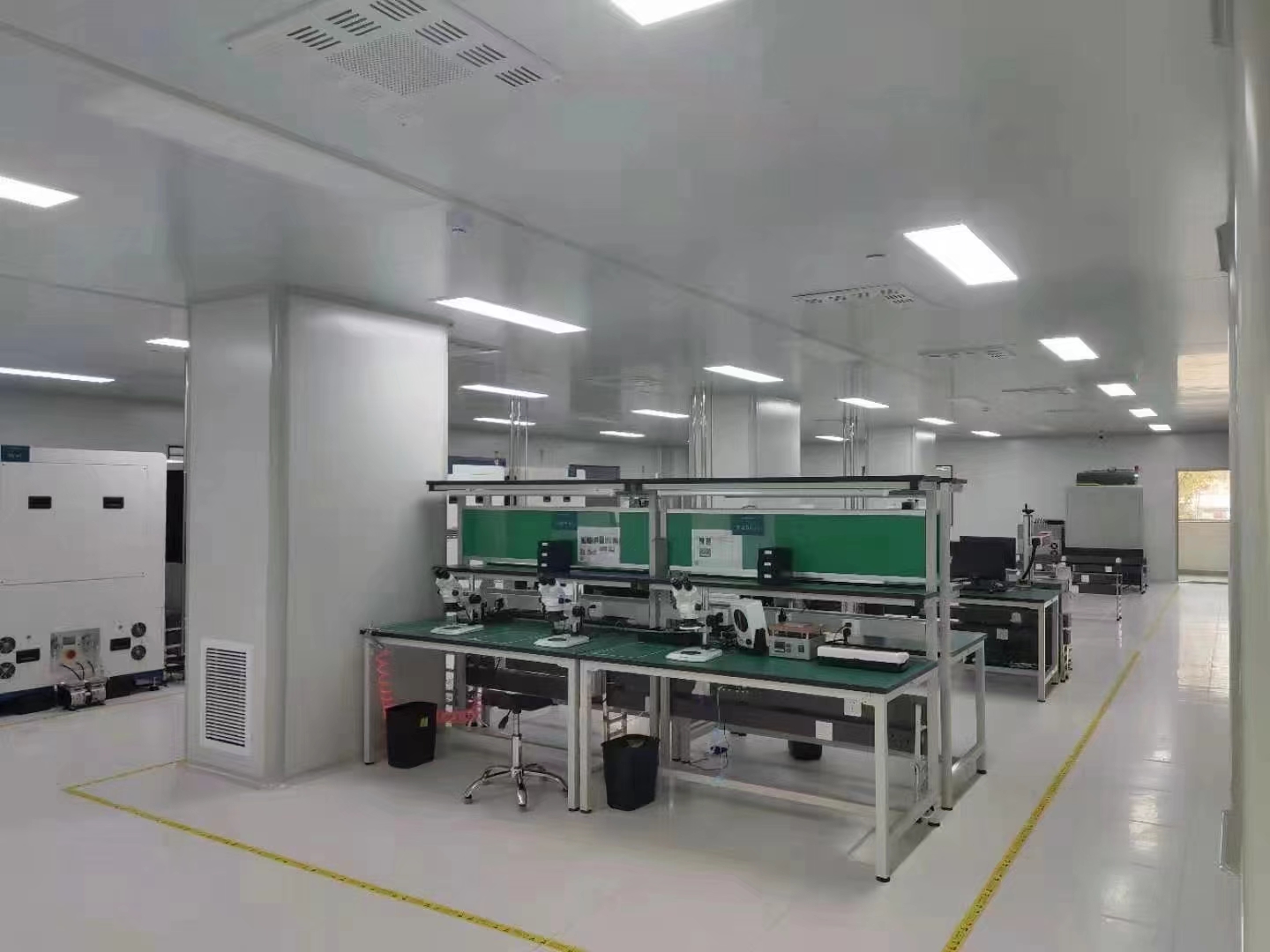
By aligning your procurement with these guidelines, industrial buyers can secure water quality sensors that deliver accurate, reliable data even in the most demanding environments. Kacise, with its 40,000 m² facility, 70% export share to EU/USA, and product range from single-parameter to multi-parameter analyzers, demonstrates the capabilities required for specialized applications. For a tailored inquiry, contact sales@kacise.com or visit www.kcsensor.com.
Have Questions or Need More Details?
Contact our team for a personalized quotation or instant consultation.
Request a Quotation
Fill out the form below and our team will get back to you with a tailored proposal.
WhatsApp Direct Chat
Prefer to chat in real-time? Message us on WhatsApp for instant assistance & quick answers.
- Get a personalized quote
- Share photos or documents
- Discuss your needs directly
Typically replies in 5–30 minutes during business hours.