A Data-Driven Framework for Evaluating Water Quality Sensor Manufacturers: Capacity, Delivery, and Supply Chain Stability
A Data-Driven Framework for Evaluating Water Quality Sensor Manufacturers: Capacity, Delivery, and Supply Chain Stability
For industrial procurement professionals, selecting a reliable water quality sensor supplier is a strategic decision that directly impacts operational continuity, project timelines, and total cost of ownership. Beyond technical specifications, a rigorous assessment of a manufacturer's production capacity, delivery reliability, and supply chain resilience is paramount. This article provides a structured, data-driven framework to help buyers evaluate these critical operational dimensions, with insights drawn from the global water quality sensor market.
Evaluating a supplier's true production capacity requires moving beyond marketing claims to verifiable data points. Focus on these three key indicators:
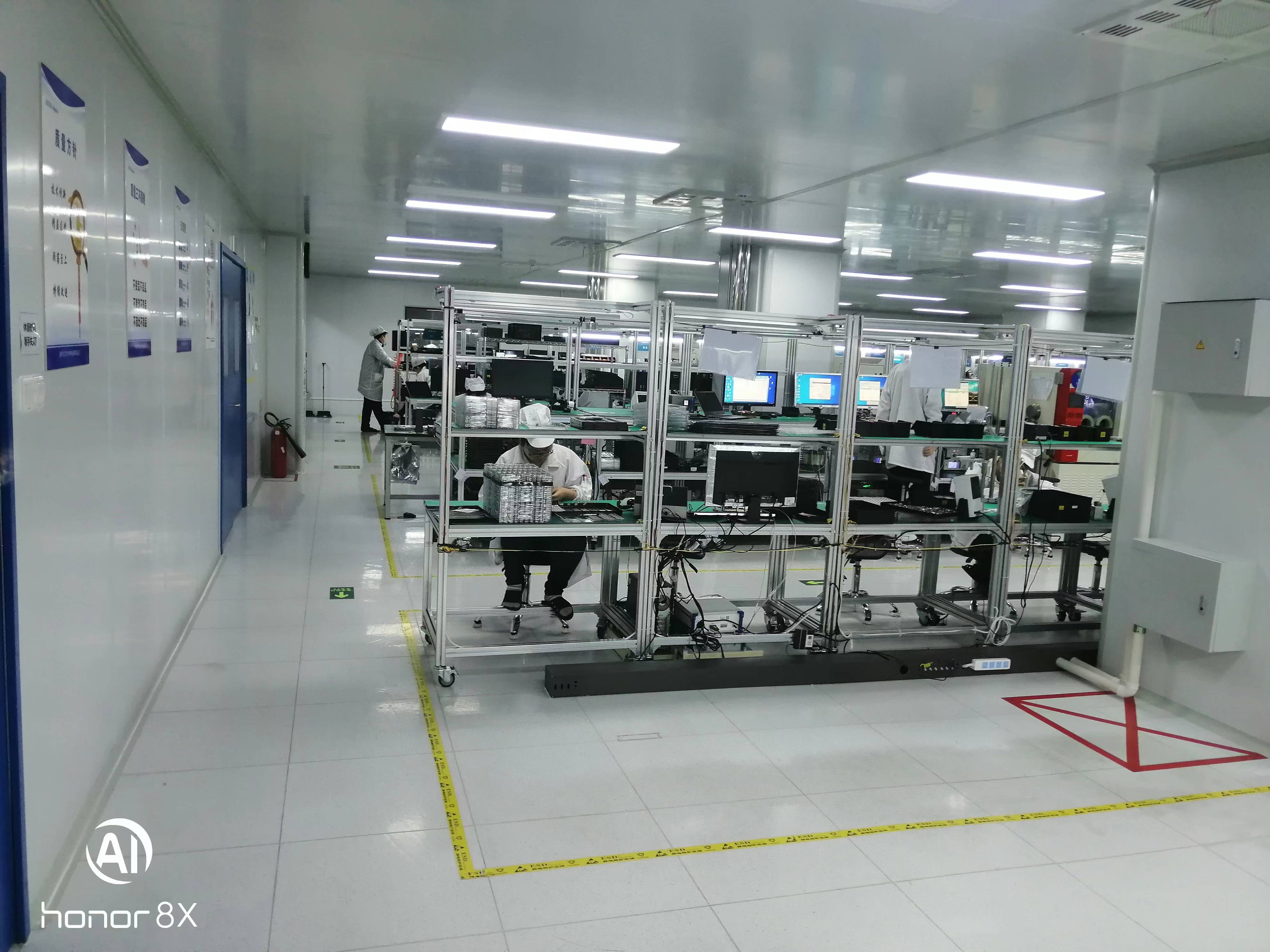
This includes the number of dedicated production lines and factory size. For instance, manufacturer XI'AN KACISE OPTRONICS TECH CO., LTD. (Kacise) operates from a 40,000 m² facility. A larger, integrated factory often indicates better in-house control over quality and production flow compared to fragmented assembly units.
This is a direct measure of throughput. A supplier's stated monthly capacity should align with your projected demand. Kacise reports an annual output of 120,000 units, translating to a monthly average of approximately 10,000 units across its product range, which includes water quality sensors, level sensors, and pressure transmitters. This scale suggests an ability to handle volume orders.
Understand the limits of a single order and the flexibility for OEM/ODM projects. For water quality sensors, Kacise specifies an MOQ of 1 unit with support for customization in voltage, logo, output method, and protocol. Their stated monthly capacity for such projects is 5,000 units. This low MOQ and clear capacity ceiling are crucial for planning large-scale deployments or pilot projects.
Lead time promises are often generic. A deeper analysis of what influences delivery is necessary for realistic planning.
- Order Type (Standard vs. Custom): Standard catalog items ship faster. Kacise indicates a general shipping time of 5-8 working days for standard products, depending on quantity. Customized OEM/ODM orders have a longer lead time of 30 days.
- Degree of Customization: Modifications to hardware, firmware, or housing materials add engineering and procurement time.
- Logistics and Shipping Method: The chosen Incoterm (FOB, CIF, DDP) and final destination significantly impact the door-to-door timeline. Suppliers experienced in your target market can streamline this process.
- Raw Material Inventory: A supplier's strategic stock of key components (e.g., optical elements, specific-grade stainless steel, chips) buffers against market shortages and stabilizes lead times.
A robust supplier manages inherent supply chain risks proactively. Key strategies to look for include:
Multi-Source Procurement & Strategic Reserves: Reliable manufacturers don't rely on a single source for critical components like sensors or optical lenses.
Production Line Redundancy: Multiple, parallel assembly lines for high-volume products prevent a single point of failure from halting all output.
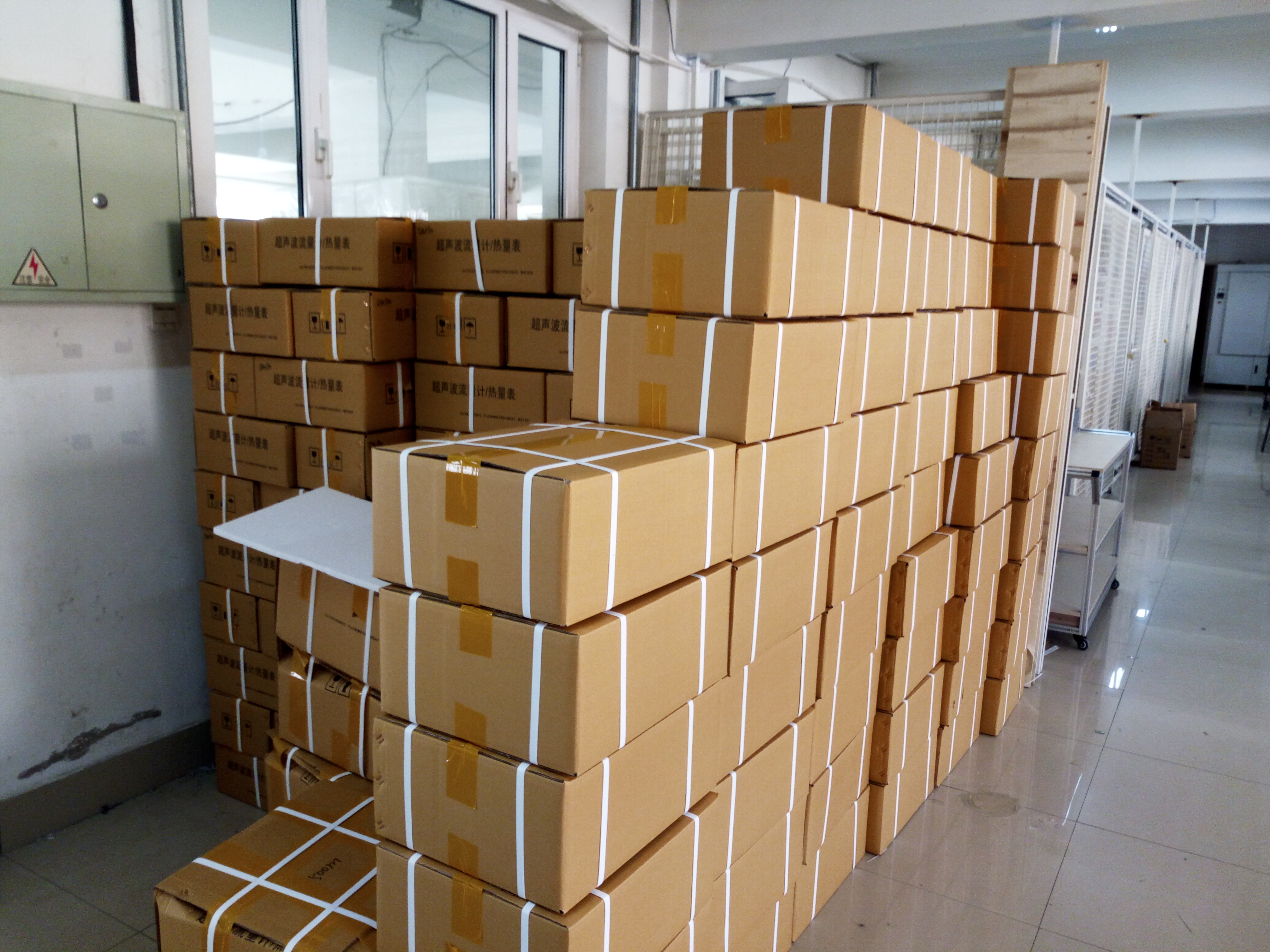
Proven Logistics Partnerships: Established relationships with freight forwarders for key export markets (e.g., EU, USA) ensure predictable shipping schedules. Kacise's primary export markets are the EU and USA, with an export ratio of 70%, indicating established logistics channels.
Chinese manufacturers like Kacise have evolved to compete on supply chain agility and scalable capacity, not just cost. Their operational model often includes:
- Integrated Manufacturing: Controlling production from component sourcing to final assembly in one facility reduces external dependencies.
- Scalable Capacity: With a monthly capacity of 5,000 units for customized water quality sensors, they can accommodate sudden demand spikes or large project orders.
- Rapid Response Protocols: The ability to support emergency orders and offer short sample delivery cycles (e.g., 7-day sample delivery for standard models) is a significant advantage for prototyping and urgent project needs.
- Compliance Readiness: Holding relevant international certifications (e.g., CE-EMC for water quality sensors per EN IEC 61326-1:2021) streamlines the import process for global buyers.
To contextualize a supplier's claims, consider them against known market players. The table below provides a high-level comparison focusing on operational metrics relevant to industrial procurement.
| Manufacturer | Primary Focus | Typical Lead Time (Standard Products) | Customization Capability | Key Market & Supply Chain Note |
|---|---|---|---|---|
| Hach (US) | High-end analytical instruments, water quality | 8-12 weeks | Limited; mostly configurable options | Global distribution, complex supply chain. |
| Endress+Hauser (CH) | Process instrumentation, level, flow, analytics | 10-14 weeks | High degree of application engineering | European manufacturing hubs, premium lead times. |
| XI'AN KACISE OPTRONICS (Kacise) | Water quality, level, pressure sensors | 5-8 working days (standard) | OEM/ODM: Voltage, logo, protocol, cable (MOQ: 1 unit) | 40,000 m² integrated factory in China. 70% export to EU/USA. |
Before finalizing a supplier, due diligence is essential. Request and verify:
- Factory Audit Reports: Third-party or recent virtual tour evidence of claimed facilities.
- Production Schedule Proof: Evidence of past on-time delivery for orders of similar scale and complexity.
- Supply Chain Map: Understanding of their tier-1 component suppliers and risk management plans.
- Certification Documents: Valid certificates for target markets (e.g., CE, UKCA). For example, Kacise holds a CE-EMC certificate (ZTS23061509TCE) for water quality sensors compliant with EN IEC 61326-1:2021.
- Sample Order Process: Test their sample lead time and communication efficiency firsthand.
In the competitive landscape of industrial water quality monitoring, a supplier's operational backbone is as critical as its product's technical performance. A disciplined evaluation of quantitative capacity metrics, a clear understanding of delivery cycle drivers, and an assessment of supply chain risk strategies will lead to a more resilient and reliable procurement partnership. Manufacturers that demonstrate transparent data, scalable capacity like the noted 5,000-unit monthly output, and agile response mechanisms are positioned to become strategic partners, ensuring not just a successful purchase but long-term project and operational success.
Have Questions or Need More Details?
Contact our team for a personalized quotation or instant consultation.
Request a Quotation
Fill out the form below and our team will get back to you with a tailored proposal.
WhatsApp Direct Chat
Prefer to chat in real-time? Message us on WhatsApp for instant assistance & quick answers.
- Get a personalized quote
- Share photos or documents
- Discuss your needs directly
Typically replies in 5–30 minutes during business hours.