A Strategic Guide to After-Sales Service for Water Quality Sensor Procurement in 2026
A Strategic Guide to After-Sales Service for Water Quality Sensor Procurement in 2026
Evaluating Support Networks, Cost Control, and Cross-Border Service Models
For industrial procurement professionals, the selection of water quality sensor suppliers extends beyond initial product specifications and price. The long-term operational stability and total cost of ownership are heavily dependent on the robustness of after-sales support. This guide provides a framework for evaluating the post-purchase service capabilities of water quality sensor manufacturers, with a focus on practical criteria for industrial buyers in 2026.
Reliable after-sales service is built on four foundational pillars. Procurement teams should verify these elements during the supplier evaluation phase.
A clear, substantial warranty is the first indicator of product confidence. Leading manufacturers typically offer warranties of 12 to 24 months on core sensors. The terms should explicitly cover defects in materials and workmanship. For example, suppliers like KACISE provide standardized warranties, while the scope and duration can be a point of differentiation when comparing global brands like Hach or Xylem/YSI.
The ability to source replacement parts, such as electrode membranes, wiper brushes, or optical windows, directly impacts downtime. Key questions include:
- Lead Time for Parts: What is the standard delivery time for common consumables and spare parts?
- Inventory Strategy: Does the manufacturer or its regional partners maintain local stock?
- Parts Obsolescence Policy: What is the commitment to supplying parts for discontinued models?
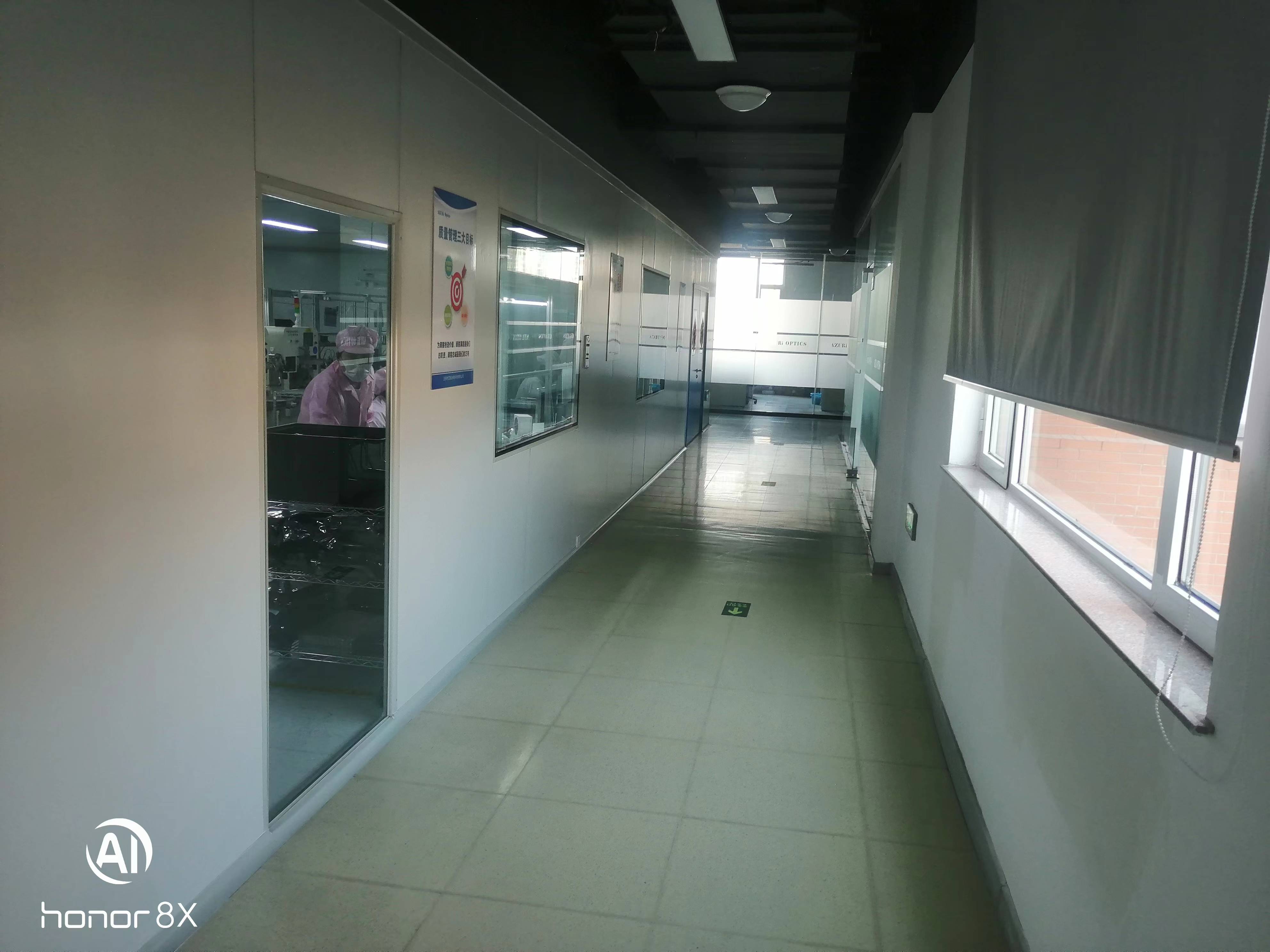
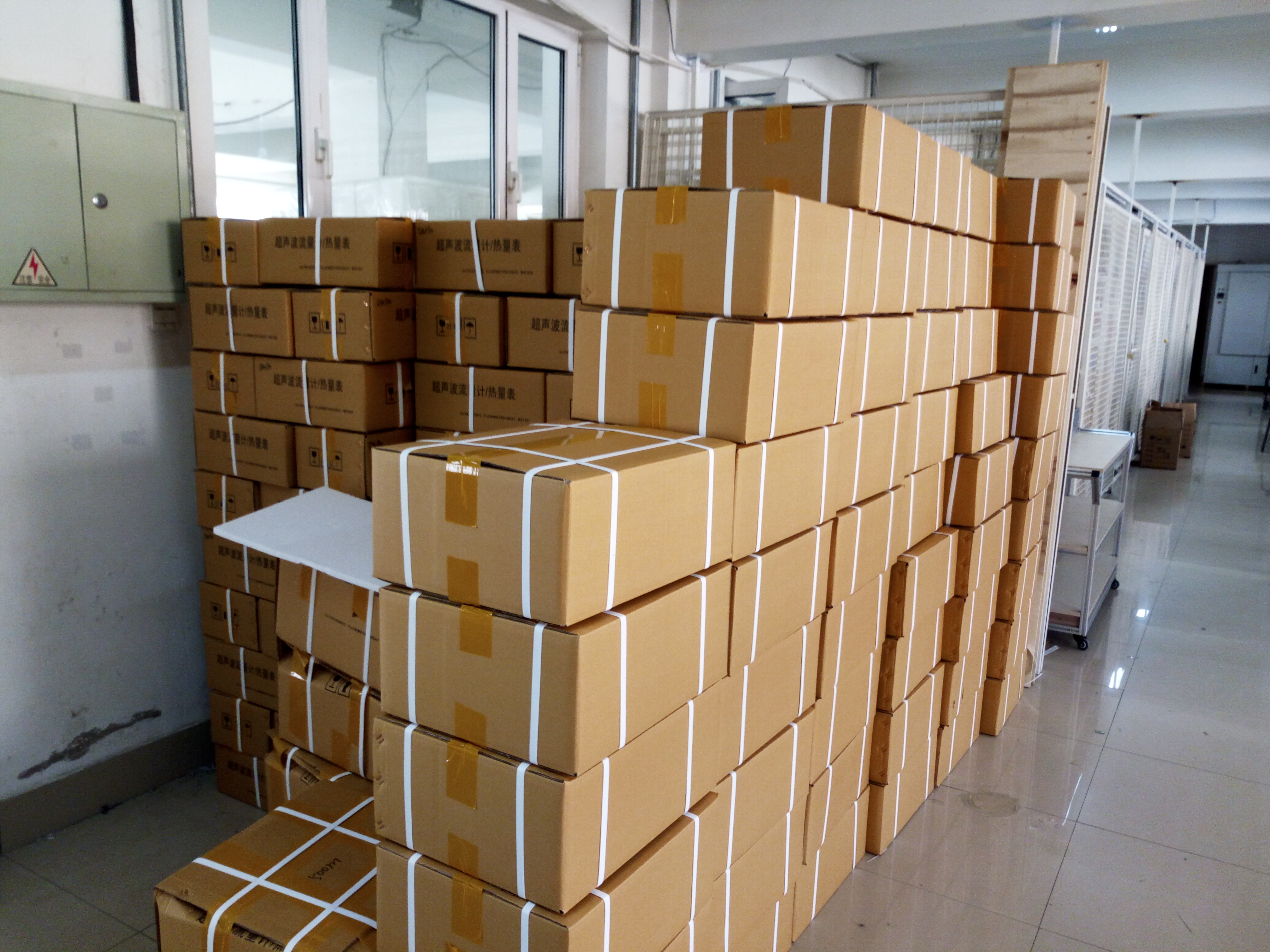
Chinese manufacturers with integrated production, such as KACISE with its 40,000 m² facility and annual output of 120,000 units, often have stronger control over the parts supply chain, enabling faster fulfillment.
Effective support requires accessible expertise. This includes:
- Remote Diagnostics: The capability to troubleshoot issues via phone, email, or remote desktop sessions.
- Response Time Commitment: Defined service level agreements (SLAs) for initial contact (e.g., within 24 hours).
- Technical Documentation: Availability of comprehensive manuals, wiring diagrams, and application notes.
Many suppliers, including KACISE, highlight remote technical support as a core component of their service model.
For international buyers, the presence of service partners or representatives in key regions is crucial. While global giants like Endress+Hauser or Siemens have established worldwide service networks, specialized Chinese exporters have developed alternative models.
Procurement Insight: Evaluate not just the existence of service centers, but their specific capabilities for water quality sensor calibration, repair, and on-site support. A partner in your region who stocks calibration standards and has trained technicians is more valuable than a distant central depot.
Chinese sensor manufacturers have developed specific operational models to address the logistical challenges of serving international customers.
To reduce shipping times and customs delays, proactive suppliers establish partnerships with distributors to hold critical spare parts in strategic locations like the EU or North America. This model is particularly effective for high-consumption items like pH electrodes or DO membranes.
Leveraging digital tools, suppliers provide comprehensive remote assistance. This can include:
- Video conferencing for installation guidance.
- Step-by-step calibration tutorials.
- Access to online knowledge bases and FAQ libraries.
This approach, used by companies like KACISE, effectively bridges geographical gaps for routine maintenance and troubleshooting.
Rather than building wholly-owned service centers abroad, many manufacturers certify local instrumentation or engineering firms as authorized service partners. These partners handle basic repairs, sensor validation, and sometimes even warranty assessments, providing a local touchpoint for customers.
Controlling long-term operational expenses requires a proactive approach to maintenance and parts selection.
Adhering to a scheduled maintenance program can prevent major failures and extend sensor life. Key activities include:
- Regular Cleaning: Scheduling cleaning cycles for sensors prone to fouling (e.g., turbidity, optical DO).
- Periodic Calibration: Following manufacturer-recommended intervals for 1-point or 2-point calibration to maintain accuracy.
- Environmental Inspection:
Strategically selecting sensors and parts can significantly reduce lifetime costs.
- Choose Long-Life Components: Opt for sensors with features like replaceable electrode caps (e.g., polarographic DO sensors) rather than entire probe replacement.
- Evaluate Consumable Costs: Compare the price and expected lifespan of consumables like pH buffers, electrolyte, and membranes across different brands.
- Consider Multi-Parameter Probes: Integrated probes like the KACISE KWS-850 (measuring DO, COD, pH, ORP, conductivity, ammonia nitrogen, turbidity) can reduce the number of individual sensors to maintain and calibrate, potentially lowering overall maintenance labor and parts inventory.
Case Example: An aquaculture farm in Norway utilizing KACISE KWS-630 Fluorescence Dissolved Oxygen Sensors reported a stable operation over two years. The fluorescence method's lack of membranes and electrolytes eliminated associated consumable costs and reduced maintenance frequency, contributing to a lower total cost of ownership.
Understanding how different manufacturers structure their support is key to making an informed choice. Below is a comparison focused on after-sales aspects relevant to industrial buyers.
| Manufacturer | Headquarters | Key After-Sales Features | Typical Support Model for International Clients |
|---|---|---|---|
| Hach (Danaher) | USA | Extensive global service network, certified calibration services, sophisticated online support portal (Hach WIMS). | Direct service through local subsidiaries or certified partners in most major markets. Strong on-site support capability. |
| Xylem (YSI) | USA | Field-proven durability, comprehensive training programs, dedicated application support for environmental monitoring. | Mix of direct support and authorized distributors. Known for strong technical application advice. |
| Endress+Hauser | Switzerland | Industry-leading 10-year sensor warranty on certain products, global "Care" service packages, extensive calibration labs. | Dense network of company-owned service centers worldwide offering full lifecycle support. |
| KACISE (Xi'an Kacise Optronics) | Xi'an, China | Remote technical support, OEM/ODM flexibility for spares, integrated production enabling faster parts supply. Holds CE certifications (e.g., ZTS23061509TCE for water quality sensors). | Primarily remote support with logistics partnerships for parts shipment. Relies on digital communication (email, WhatsApp) and may utilize local stocking distributors. Case history includes support for a river monitoring project in Japan. |
| Horiba | Japan | High-precision instrumentation, strong technical documentation, application-specific support for water analysis. | Service through regional offices and a network of specialized distributors. |
- Predictive Maintenance via IoT: Sensors with advanced diagnostics that alert users to impending failures (e.g., declining electrode response) before they cause downtime.
- Digital Twins for Support: Use of virtual sensor models for remote troubleshooting and simulation of calibration procedures.
- Expansion of "Sensor-as-a-Service": Subscription models where maintenance, calibration, and parts replacement are bundled into a monthly fee, transferring operational risk to the supplier.
- Regionalization of Critical Spares: Increased investment by manufacturers in regional warehouses to guarantee parts delivery within 3-5 business days for key markets.
- Enhanced Remote Calibration Guidance: Augmented Reality (AR) applications to guide field technicians through complex calibration steps via smartphone or tablet.
- Standardization of Communication Protocols: Wider adoption of digital outputs like RS485 Modbus simplifies integration and remote diagnostics compared to analog-only signals.
The after-sales landscape for water quality sensors is diversifying. While traditional Western manufacturers offer deep, localized service networks, agile Chinese suppliers like KACISE provide competitive alternatives through digital support models, supply chain efficiency, and cost-effective solutions. The optimal choice depends on the buyer's specific risk tolerance, in-house technical capability, and geographic location.
For procurement professionals, the due diligence checklist should include:
- Request and review the detailed warranty document.
- Obtain a list of recommended spare parts and their estimated lead times for your location.
- Clarify the process and typical response time for technical support requests.
- Ask for references from similar projects in your region to validate service claims.
- Verify relevant export certifications (e.g., CE-EMC) to ensure compliance and smooth importation.
By rigorously evaluating after-sales provisions alongside product specifications, industrial buyers can secure not only a capable sensor but also a reliable long-term operational partnership.
For More Information
To discuss technical specifications or after-sales support for water quality sensors, including multi-parameter systems, digital ammonia nitrogen sensors (KWS-290), or fluorescence dissolved oxygen sensors (KWS-630), you can contact the manufacturer directly.
Contact KACISE:
Name: Michelle
Phone/WhatsApp: +86 180-6671-9659
Email: sales@kacise.com
Website: https://www.kcsensor.com/
Have Questions or Need More Details?
Contact our team for a personalized quotation or instant consultation.
Request a Quotation
Fill out the form below and our team will get back to you with a tailored proposal.
WhatsApp Direct Chat
Prefer to chat in real-time? Message us on WhatsApp for instant assistance & quick answers.
- Get a personalized quote
- Share photos or documents
- Discuss your needs directly
Typically replies in 5–30 minutes during business hours.