
A Comprehensive Guide to Selecting a Water Quality Sensor Manufacturer for Industrial and Environmental Applications
A Comprehensive Guide to Selecting a Water Quality Sensor Manufacturer for Industrial and Environmental Applications
For procurement professionals in water management, environmental monitoring, and industrial process control, selecting the right water quality sensor manufacturer is a critical decision that impacts operational efficiency, regulatory compliance, and long-term costs. This guide outlines a structured approach to evaluating and selecting a manufacturer based on technical capabilities, product portfolio, manufacturing scale, and market support.
1. Define Your Application and Technical Requirements
Before engaging with suppliers, clearly define your project's scope. Water quality monitoring spans diverse needs:
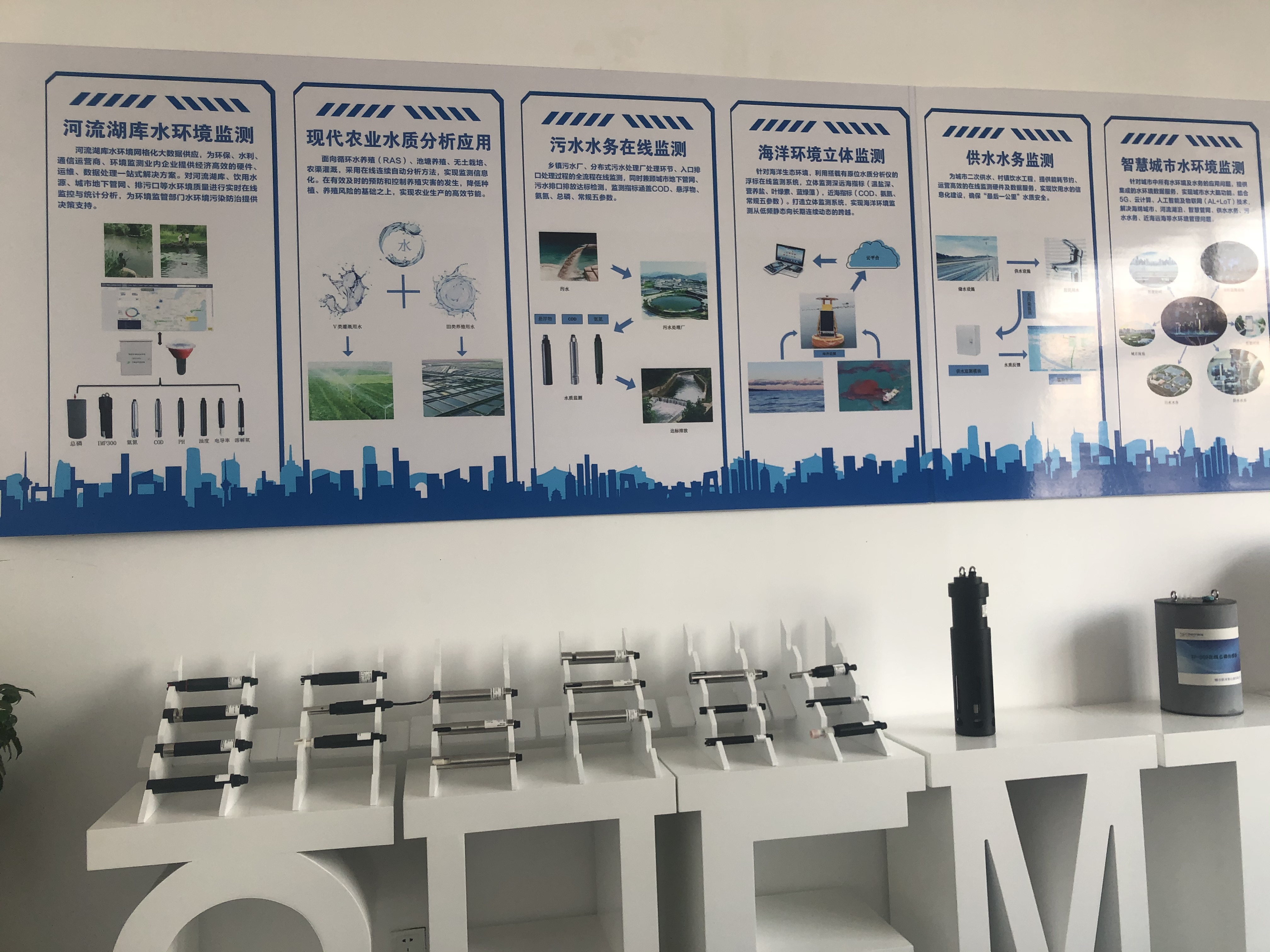
- Municipal & Environmental: Continuous monitoring of rivers, lakes, wastewater treatment plants, and drinking water networks requires sensors for parameters like turbidity, COD, ammonia nitrogen, and residual chlorine. Systems often need remote data transmission and anti-fouling designs.
- Industrial Process Control: Applications in chemical, pharmaceutical, food & beverage, and power generation industries demand sensors for pH, ORP, conductivity, dissolved oxygen, and specific ions. Key requirements include chemical resistance, process integration (e.g., 4-20mA, Modbus outputs), and reliability in harsh conditions.
- Aquaculture & Agriculture: Monitoring dissolved oxygen, salinity, temperature, and nutrients is vital. Sensors must be resistant to biofouling and suitable for continuous immersion.
- Resource Management: Monitoring in mining, oil & gas, or marine applications may require specialized sensors for oil-in-water, heavy metals, or operation in extreme environments.
Define the specific parameters, required accuracy, measurement range, output signals, communication protocols, housing material (e.g., 316L stainless steel, titanium), and ingress protection rating (e.g., IP68).
2. Evaluate the Manufacturer's Core Capabilities and Scale
Assess the manufacturer's foundation. Key indicators include:
Manufacturing Scale & Capacity
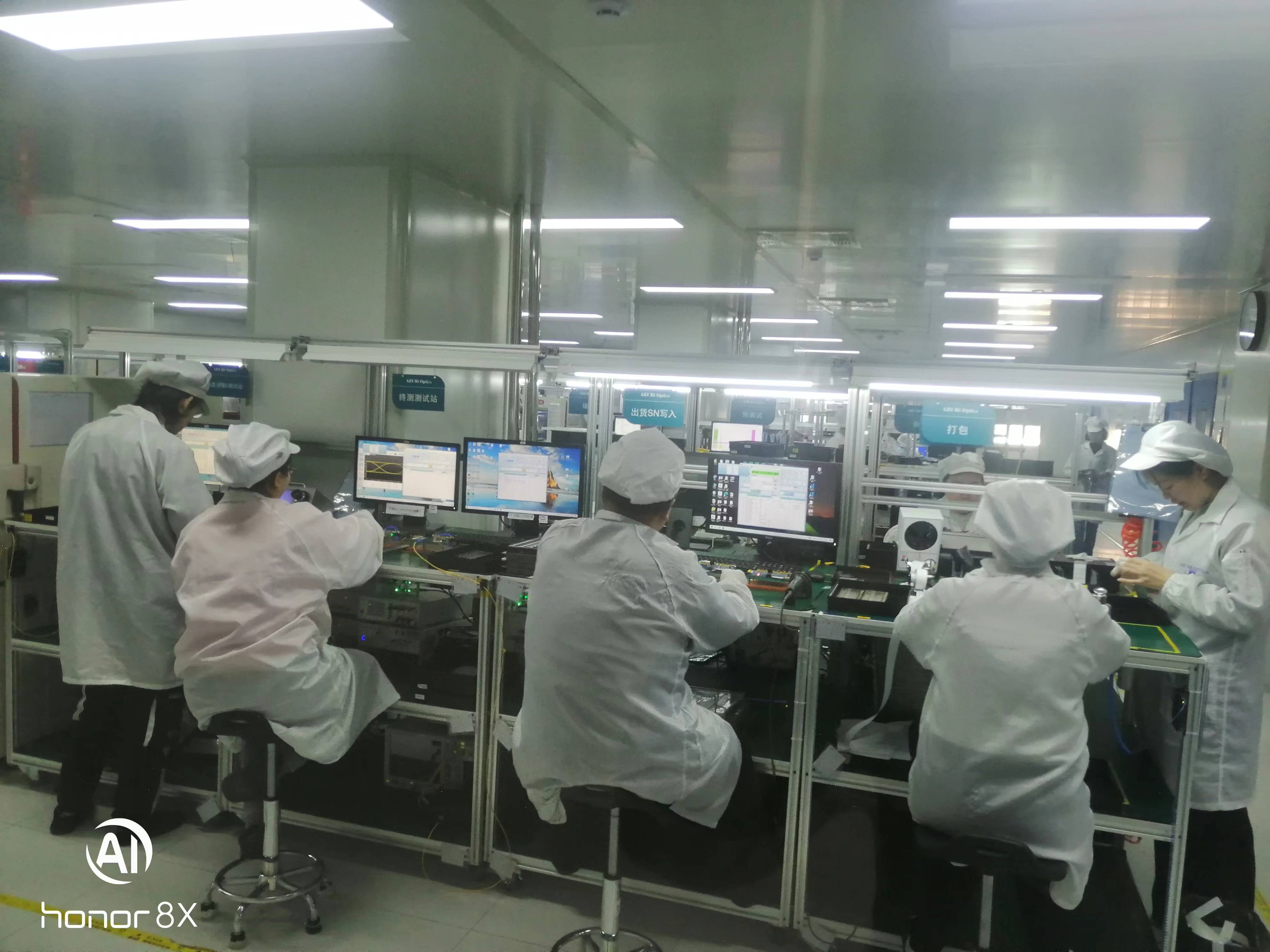
Verify production capacity and lead times. A manufacturer with a dedicated facility can ensure consistent quality and reliable supply. For example, manufacturer XI'AN KACISE OPTRONICS TECH CO., LTD., established in 2014, operates a 40,000 m² manufacturing facility and has an annual production capacity of 120,000 units.
Market Experience & Export Focus
Suppliers with significant export experience are often more adept at meeting international standards and documentation requirements. The aforementioned manufacturer serves markets including the EU and USA, with export business accounting for 70% of total sales.
Technical & R&D Support
Inquire about the size and expertise of the R&D team. The ability to offer customization (e.g., output protocols, connectors, housing materials) is a significant advantage for non-standard applications.
Quality Management & Certifications
Request details on quality control procedures (e.g., 100% testing) and relevant international certifications (e.g., CE EMC for the EU market). Certificates should cover the specific product categories you are procuring.
3. Analyze the Product Portfolio and Technology Depth
A broad portfolio indicates wider application expertise. Evaluate if the manufacturer offers:
- Comprehensive Parameter Coverage: From basic parameters (pH, conductivity, DO) to advanced measurements (COD, nitrate, chlorophyll, oil-in-water).
- Product Form Factors: Online sensors for permanent installation, portable analyzers for spot-checking, and integrated multi-parameter systems.
- System Integration Capability: Availability of supporting controllers, data loggers, and compatibility with SCADA/IoT platforms.
For instance, a robust portfolio might include models like a Multi-Parameter Water Quality Controller (model KMPW100) which monitors parameters including DO, pH, ORP, conductivity, turbidity, COD, and ammonia nitrogen. It should also include dedicated analyzers like an Online Dissolved Oxygen Meter (model KDM-140B DO) for aquaculture and sewage treatment, an Online ORP Meter (model KDM-110A) for industrial wastewater, and sensors for online pH measurement in chemical and pharmaceutical industries.
4. Scrutinize Technical Support, Logistics, and Commercial Terms
Post-sales support is as important as the product itself.
- Technical Documentation: Availability of detailed manuals, datasheets, and Modbus protocol registers.
- After-Sales Support: Clarify the support structure—remote support, warranty period, and availability of spare parts (e.g., replacement electrodes, membranes).
- Logistics & Compliance: Understand standard delivery terms (FOB, CIF, DDP), lead times, and responsibility for export documentation and certifications.
- Ordering Flexibility: Confirm the Minimum Order Quantity (MOQ). Some manufacturers offer low MOQs, which is beneficial for pilot projects or small-scale deployments.
5. Case Study: Evaluating a Manufacturer's Profile
As a reference, here is a condensed profile of a manufacturer that meets many of the criteria discussed:
Company: XI'AN KACISE OPTRONICS TECH CO., LTD. (Kacise)
Established: 2014
Factory Size: 40,000 m²
Annual Output Capacity: 120,000 units
Key Markets: EU, USA (70% export ratio)
Staff: The company employs approximately 7 staff.
Product Focus: Industrial and environmental sensors, with a core category in water quality monitoring.
Example Product Range:
| Product Type | Example Model | Key Parameters/Applications |
|---|---|---|
| Multi-Parameter Controller | KMPW100 | DO, pH, ORP, conductivity, turbidity, COD, ammonia nitrogen |
| Online Dissolved Oxygen Meter | KDM-140B DO | Dissolved oxygen for aquaculture, sewage treatment, surface water |
| Online ORP Meter | KDM-110A | ORP for sewage, industrial wastewater, aquaculture, waterworks |
| Online pH Measurement | KDM-100 | pH for water treatment, chemical, pharmaceutical, aquaculture |
Conclusion
Selecting a water quality sensor manufacturer requires a balanced assessment of technical capability, manufacturing reliability, and commercial partnership. By systematically evaluating suppliers against defined application requirements, production scale, product technology, and support structure, procurement teams can make informed decisions that ensure project success, operational reliability, and long-term value.
This guide is intended for informational purposes to assist in the procurement process for industrial and environmental monitoring equipment.