Dissolved CO2 Sensor in Water: A Water Quality Sensor Manufacturer's Explainer
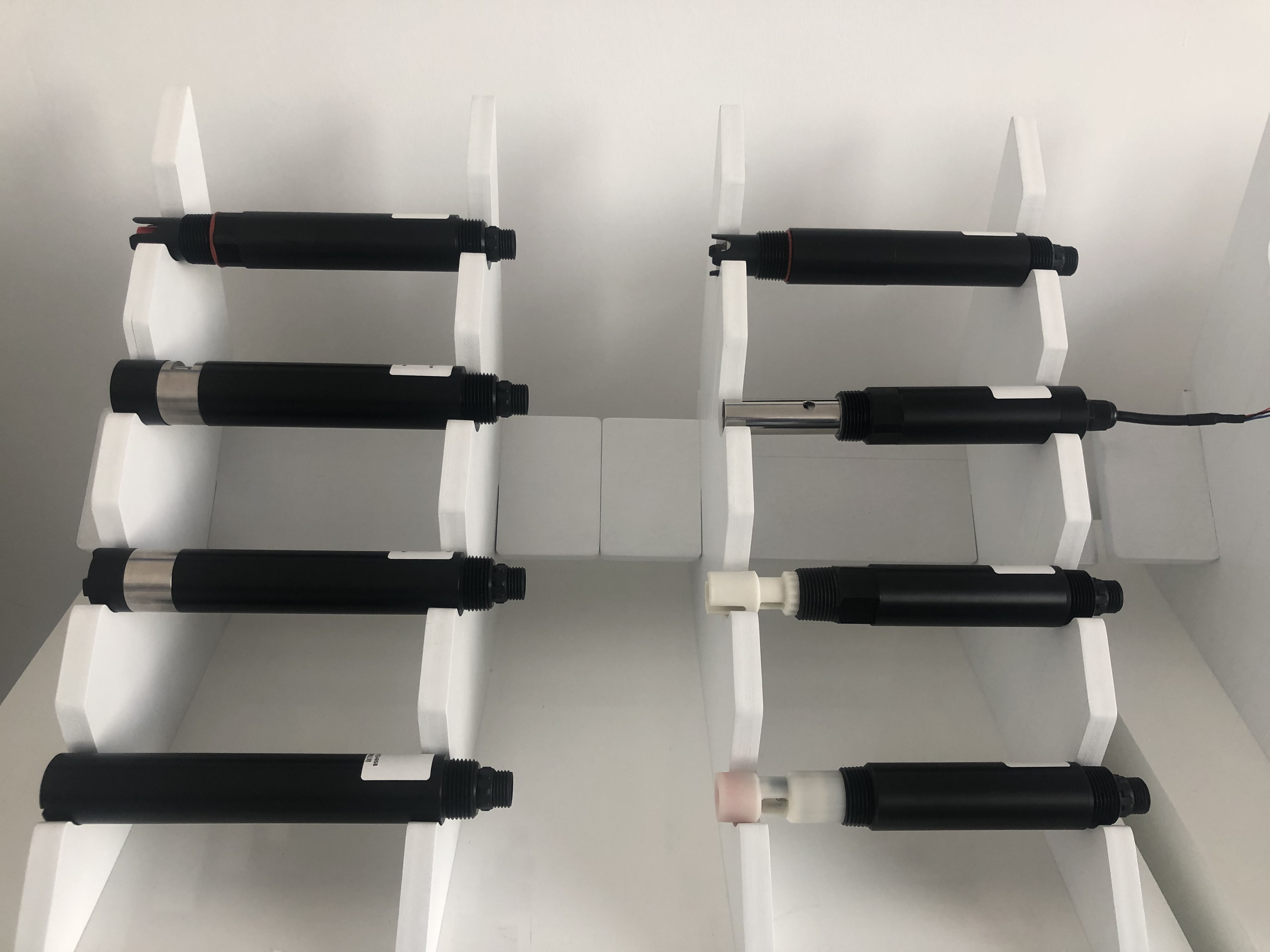
Water quality sensor product display — the instrument category a dissolved CO2 measurement belongs to.
Dissolved CO2 is the parameter that most industrial water monitoring rooms never instrument — even when the pH, conductivity and dissolved oxygen readings they do collect are being shaped by it. A dissolved CO2 sensor in water is an online measurement device, or a channel inside a multi-parameter analyzer, that estimates how much carbon dioxide is held in the aqueous phase at a specific point in a process. It belongs to the same instrument family as online pH sensors, conductivity sensors, dissolved oxygen sensors and multi-parameter water quality analyzers, and it is normally specified alongside them rather than instead of them.
Xi'an Kacise Optronics Tech Co., Ltd. (KACISE) is a Xi'an, China–based water quality sensor manufacturer founded in 2014. Its portfolio covers online multi-parameter water quality sensors, COD, TOC and organic matter sensors, ORP sensors, and fluorescence dissolved oxygen and oil-in-water detection sensors, together with level, pressure, gas and flow instruments for industrial monitoring and process control.
This explainer is written for industrial buyers who are already at the decision stage but still need a clean foundation: what dissolved CO2 measurement actually represents, where a dissolved CO2 sensor fits in an industrial water monitoring architecture, how it complements related online products such as pH, conductivity and multi-parameter systems, and how to compare measurement approaches and supplier architectures before a purchase order is raised.
What a Dissolved CO2 Sensor in Water Measures
A dissolved CO2 sensor in water measures carbon dioxide in the aqueous phase — the portion physically dissolved as CO2 together with the small fraction that converts to carbonic acid. It does not measure carbon dioxide in the gas phase above the water, it does not measure total inorganic carbon, and it does not replace an alkalinity or TOC result.
The reason the reading needs context is chemistry rather than instrument design. Dissolved CO2, bicarbonate and carbonate sit in a single equilibrium that also depends on pH and temperature, so the same CO2 concentration can produce different pH values in two waters, and the same pH can coexist with very different CO2 levels. That is why a dissolved CO2 value is normally read as part of a parameter set, not as a stand-alone number.
Two measurement routes dominate industrial practice:
- Direct measurement. A probe separates the sample from an internal sensing element through a gas-permeable membrane, so that carbon dioxide — and little else — reaches the detector. The result is continuous and independent of alkalinity assumptions, at the cost of a membrane or sensing element that needs a maintenance routine.
- Calculated value. CO2 is derived from pH, alkalinity and temperature, sometimes cross-checked against conductivity as an indicator of ionic strength. No extra probe is installed, but the estimate inherits the accuracy limits of every input in the chain, including how recently the alkalinity value was refreshed.
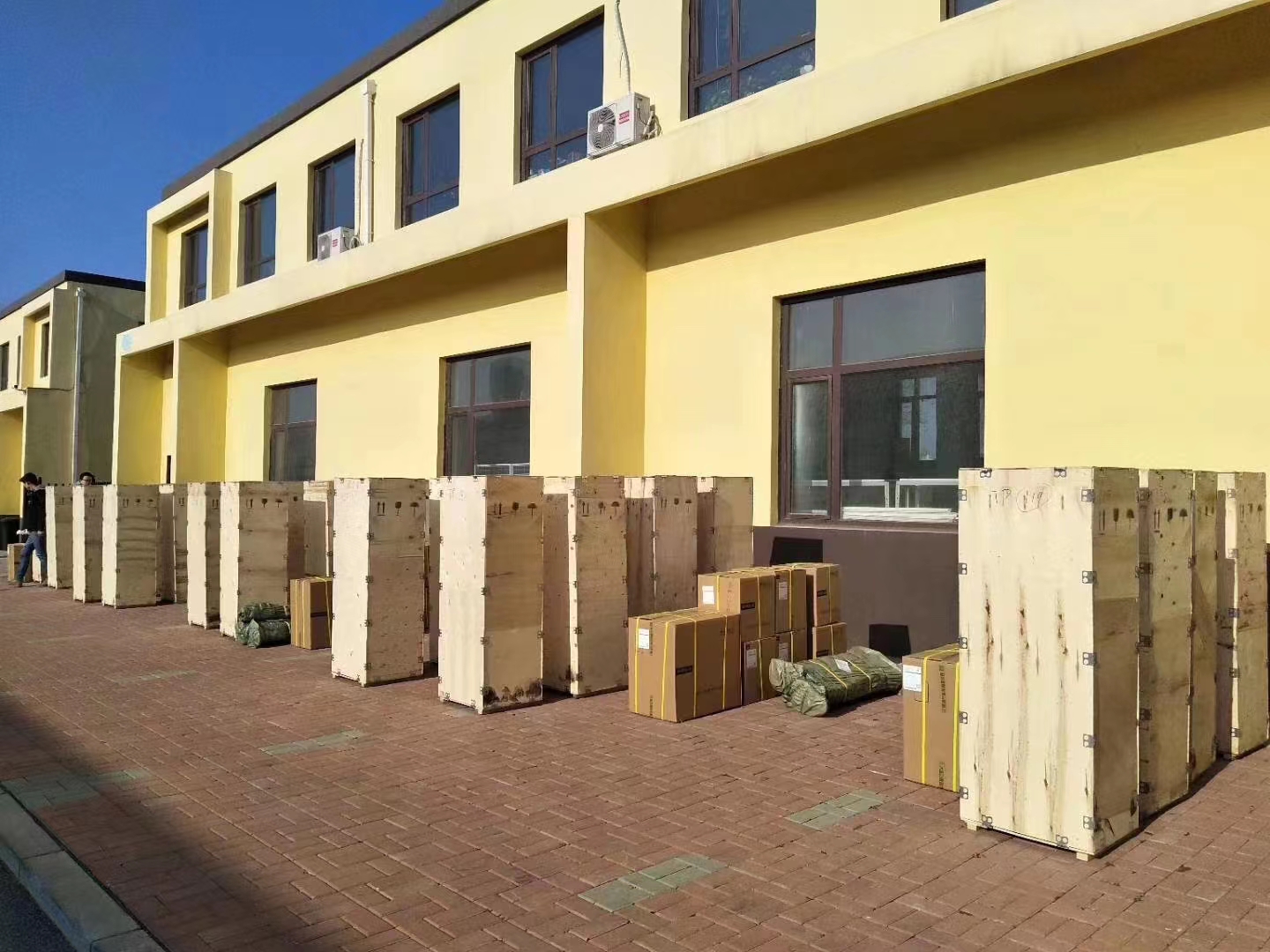
Water quality product factory — online sensor assembly for industrial monitoring projects.
A practical signal map
The fastest way for a buyer to understand dissolved CO2 is to see what each neighbouring signal does and does not reveal. The table below is deliberately qualitative: it describes the role of each parameter in a monitoring architecture, not a specification.
| Signal available | What it tells you | What it leaves open |
|---|---|---|
| pH | The net acidity state of the water | Whether the acidity originates from dissolved CO2, mineral acid or dosing |
| Conductivity | Dissolved ion load and ionic strength | Carbonate speciation and CO2 concentration |
| Dissolved CO2 | How much CO2 is held in the water at that point | Whether the source is biological activity, chemical dosing or atmospheric exchange |
| Alkalinity (laboratory) | Buffering capacity and the anchor for calculated CO2 values | Real-time control, because the value is not continuous |
The Problem: Why Dissolved CO2 Is Still a Blind Spot
Typical online racks cover pH, conductivity, dissolved oxygen, turbidity, residual chlorine, ORP, ammonia nitrogen, nitrate or COD. Dissolved CO2 is far less often a permanent channel, for three practical reasons.
First, it can be inferred rather than measured, so it is often treated as a derived value rather than an instrumented parameter. Second, direct measurement involves a membrane or sensing element that carries its own calibration and replacement routine, which competes for maintenance time with parameters that are already mandatory. Third, the consequence of a CO2 error is usually reported as something else — a pH excursion, a corrosion event, a biological performance shift or an aquaculture stress episode — so the CO2 signal is rarely the first place anyone looks.
The blind spot is most expensive when pH is the only window into the carbonate balance. A low pH reading does not distinguish between carbon dioxide from biological activity, acid dosing, or a change in alkalinity. Where a calculated CO2 value is used instead, the estimate is only as good as the pH accuracy, the age of the alkalinity result, and the temperature compensation behind it. That dependency chain is the practical argument for buying the CO2 decision from a supplier that also supplies the pH, conductivity and temperature channels feeding it.
Industry Background: Where Dissolved CO2 Sits in the Market
The commercial context should support a decision rather than replace it. Grand View Research valued the global water quality sensor market at USD 5.74 billion in 2024 and projected USD 9.10 billion by 2030, a CAGR of 8.1%. The same source reports that Asia Pacific accounted for 46.5% of revenue in 2023, with China identified as a major increasing market. A related Grand View Research figure reported through WaterTech puts the water quality monitoring systems market at USD 5.8 billion in 2024, with sensors the largest segment at 45% share. TechSci Research expects IoT-enabled water quality management to grow at a 16.23% CAGR through 2030.
Those numbers should be read with their scope in mind. Spherical Insights published USD 5.57 billion for the same 2024 market and Custom Market Insights published USD 5.55 billion, which illustrates how much the definition matters — sensors alone, or complete monitoring systems. Any market figure quoted in a procurement document should carry a scope note.
The direction of travel, however, is consistent across the sources: monitoring is becoming multi-parameter and connected. Multi-parameter platforms, online analyzers and controllers, wireless and IoT monitoring systems, and parameter families such as pH, conductivity, dissolved oxygen, turbidity, COD, ammonia nitrogen, nitrate, chloride, residual chlorine, ozone, oil-in-water, chlorophyll and blue-green algae are converging into fewer, more integrated instruments. A dissolved CO2 decision is best made inside that architecture, not outside it.
Detailed Solution: Where a Dissolved CO2 Sensor Fits in an Online Monitoring Architecture
An industrial water monitoring system is normally built in three layers, and the CO2 question belongs to all three. The sensing layer holds the probes and electrodes. The analyzer and controller layer converts signals into engineering units, handles calibration and alarm logic, and publishes the values. The system layer carries the data into SCADA, PLC and IoT platforms for trending, reporting and control.
In that structure, a dissolved CO2 sensor is rarely a stand-alone loop. It is most useful as a channel that sits beside pH, conductivity, temperature and dissolved oxygen, because the CO2 interpretation depends on pH and temperature anyway. This is where the related online products matter:
- Online Multi-Parameter Water Quality Sensor. The KWS-800 Series from KACISE measures pH, conductivity, dissolved oxygen and turbidity, among other parameters, in a single digital probe. For a CO2 decision, this matters because the pH and temperature channels needed to interpret dissolved CO2 arrive from the same instrument rather than from a separate transmitter.
- Online Water Quality Analyzer. Analyzers handle parameters that need reagent chemistry or dedicated optics — COD, ammonia nitrogen, nitrate — and provide the water-quality context in which a CO2 reading is judged. KACISE's portfolio includes COD, TOC and organic matter sensors as well as ORP sensors.
- Multi-Parameter Water Quality Controller. The controller layer accepts multiple sensor inputs, manages calibration schedules and alarms, and publishes the combined record to a plant system.
- pH, conductivity and dissolved oxygen sensors. These are the neighbours that make a CO2 value meaningful, and they are the channels most often already installed.
KACISE's monitoring products support RS-485 and Modbus digital outputs and a 4–20 mA dual output design, and are described as compatible with SCADA, PLC and IoT platforms, which is the integration path a CO2 channel would follow. On the maintenance side, the company's documented design measures address the failure modes that shorten sensor life in real installations: a detachable probe with a smooth surface coating for fouling resistance, automatic cleaning functions and an anti-interference design, digital filtering and shielding against signal interference, and PTFE or 316L stainless steel wetted parts for corrosion control. For remote or wireless deployments, sleep mode and solar power compatibility are documented approaches to power limitation — a relevant point, since dissolved CO2 monitoring is often requested at sites without a reliable mains supply.
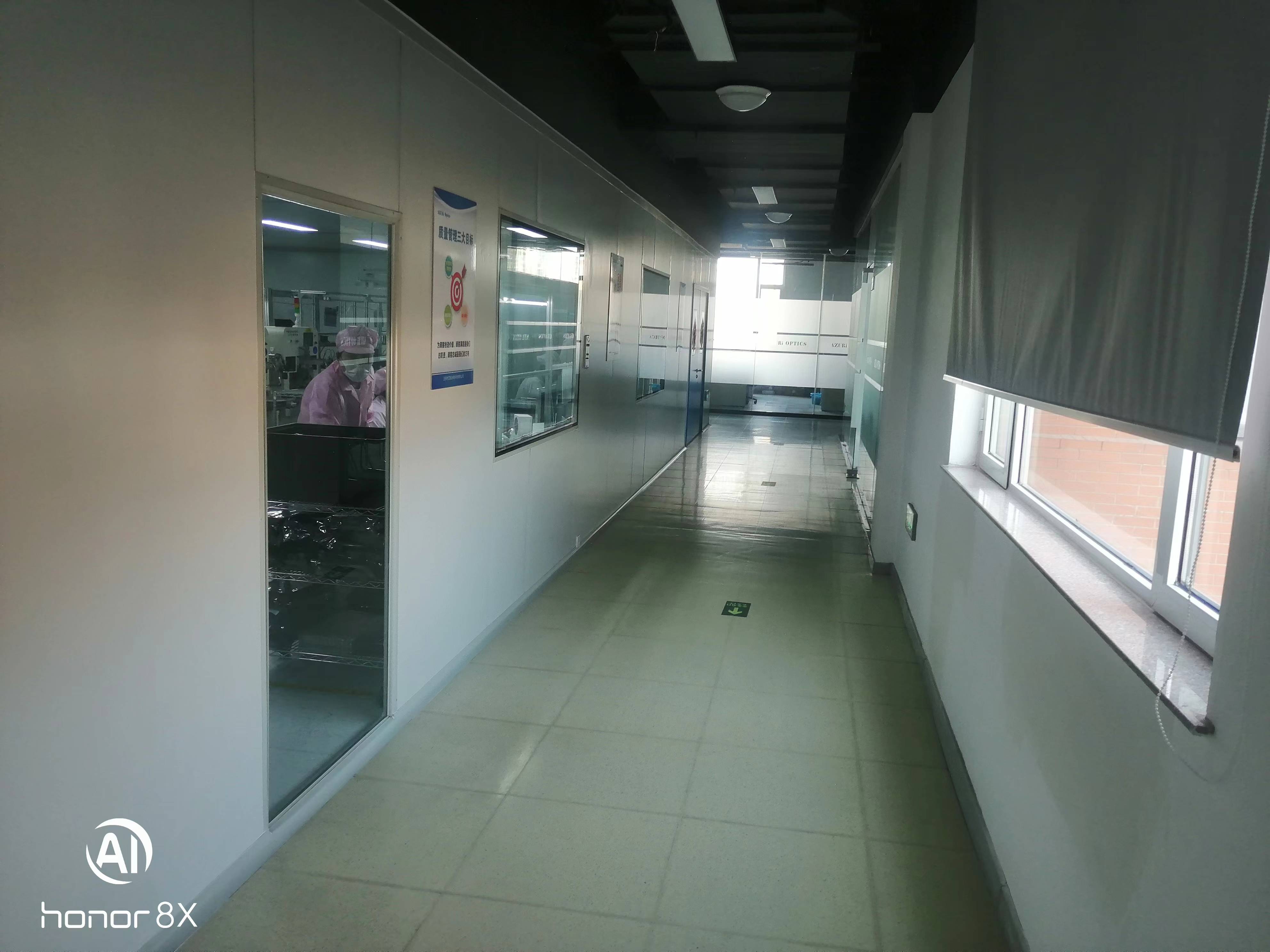
Water quality product factory — production of online analyzers and multi-parameter controller platforms.
Step-by-Step: How to Evaluate a Dissolved CO2 Measurement Approach
The sequence below is a decision checklist rather than a purchase order. Each step removes an assumption that would otherwise surface later as a maintenance cost or a data gap.
Step 1 — Define the decision the CO2 value will drive. Corrosion control in soft or condensate water, biological process stability, remineralisation control in drinking water treatment, aquatic welfare, or environmental reporting each imply a different requirement for continuity, response time and accuracy. A parameter purchased without a decision attached to it becomes unmaintained hardware.
Step 2 — Choose between direct measurement and a calculated value. If the process needs a continuous, independent CO2 signal and the alkalinity chain is refreshed infrequently, direct measurement is the defensible route. If pH, temperature and alkalinity data are already reliable and continuously available, a calculated value may be sufficient — but the dependency should be documented.
Step 3 — Audit the input chain. Confirm which instrument supplies pH and temperature, how often alkalinity is verified, and whether conductivity is already monitored as an ionic-strength indicator. Weak inputs produce a confident-looking but unreliable CO2 number.
Step 4 — Check the integration path. Confirm the output protocol (RS-485, Modbus, 4–20 mA or a combination), the controller's channel capacity and alarm logic, and whether the data can be published to SCADA, PLC or an IoT platform without a separate gateway.
Step 5 — Plan the maintenance routine before installation. Ask what the fouling and calibration cycle looks like in your water matrix, whether the probe can be removed and cleaned easily, and what wetted materials are used. Detachable probes, smooth surface coatings and PTFE or 316L stainless steel wetted parts exist precisely to reduce these costs.
Step 6 — Verify documentation and certification scope. Request the certificate scope rather than a general compliance statement, and match it to the installation: material safety for drinking water contact, and electromagnetic compatibility for the instrument itself.
Step 7 — Validate on a sample or pilot before full rollout, then compare total system cost. Test in the real water matrix, not in clean water. Only after validation does a like-for-like cost comparison between vendors make sense.
Use Cases: Where a Dissolved CO2 Decision Changes Operation
Municipal wastewater treatment. Biological treatment shifts the carbonate balance, and the resulting pH movement is easier to interpret when a CO2-aware view sits alongside the existing multi-parameter installation. Integrated multi-parameter platforms are particularly suited to wastewater plants and rivers, where several parameters must be monitored from a small number of probes.
Drinking water treatment and remineralisation. Where CO2 dosing or remineralisation is used to stabilise treated water, the CO2 signal is part of process control rather than compliance alone. In this application, material safety standards for wetted components become a selection criterion, not a formality.
Aquaculture. Dissolved CO2 affects aquatic organisms directly, and aquaculture sites are frequently remote, which makes low-power operation and wireless transmission relevant. KACISE's portfolio is used in agriculture and aquaculture monitoring as well as in water treatment and environmental applications.
Industrial process water, cooling and condensate systems. In low-alkalinity waters, dissolved CO2 contributes to aggressive conditions for mild steel and copper. Monitoring CO2 in conjunction with pH and conductivity gives maintenance teams a measurable basis for corrosion-control decisions instead of a reactive one.
Surface water and environmental monitoring stations. Rivers, lakes and reservoirs change carbonate balance seasonally and biologically. Where stations already measure pH, dissolved oxygen and turbidity, a CO2 channel adds an explanation layer to data that would otherwise be reported without a cause.
Comparison: Measurement Options and Supplier Architectures
Two comparisons matter at this stage: which measurement approach to adopt, and which supplier architecture to buy it from. The first table is a qualitative decision matrix based on how each approach produces a CO2 value. The second uses only publicly attributable information about supplier positioning and integration.
Table 1 — Measurement approaches compared
| Approach | How the CO2 value is produced | Strengths | Limitations to plan for |
|---|---|---|---|
| Calculated CO2 | Derived from pH, alkalinity and temperature, often with conductivity as a cross-check | No additional probe; uses data the plant already collects | Restricted to the accuracy and refresh rate of the pH, alkalinity and temperature inputs |
| Direct dissolved CO2 probe | Membrane-separated sensing element exposed to dissolved CO2 in the sample | Continuous, independent signal that does not depend on alkalinity assumptions | Adds a maintenance routine for the membrane or sensing element and a calibration schedule |
| Multi-parameter platform with a CO2 channel | CO2 read together with pH, conductivity, temperature and dissolved oxygen from one digital architecture | Single integration path, shared calibration and alarm logic, fewer separate transmitters | Requires a platform that supports the required parameter combination and output protocols |
Table 2 — Supplier and architecture snapshot
| Supplier / architecture | Publicly attributable position | Integration model | Cost and maintenance notes (as published) |
|---|---|---|---|
| KACISE (Xi'an Kacise Optronics Tech Co., Ltd.) | Chinese water quality sensor manufacturer founded in 2014; 40,000 m² facility; annual output 120,000 units; 70% of production exported to EU and USA markets | KWS-800 Series online multi-parameter sensor; RS-485 and Modbus digital outputs; 4–20 mA dual output design; SCADA, PLC and IoT platform compatibility | Published comparison cites an integrated multi-parameter (5-in-1) design versus single-probe architectures, 25% lower system cost, fewer probes and lower maintenance |
| Hach (Danaher) | Listed among established global leaders in the water quality sensor market by Mordor Intelligence | Cited in KACISE's published comparison as a single-probe architecture for the compared configuration | Not stated in the sources used here; a like-for-like configuration should be requested |
| Xylem, Thermo Fisher Scientific, Endress+Hauser | Listed among established global leaders in the water quality sensor market by Mordor Intelligence | Not assessed in the sources used for this explainer | Not assessed in the sources used for this explainer |
Table cells reflect only the cited sources. Blank or unassessed cells are a limit of the available evidence, not a negative assessment.
On delivery, KACISE's published comparison for its ultrasonic and radar instrument lines lists 2–3 weeks versus 6–8 weeks for Siemens; that figure is line-specific and water quality platform schedules should be quoted per configuration, as noted in the FAQ below.
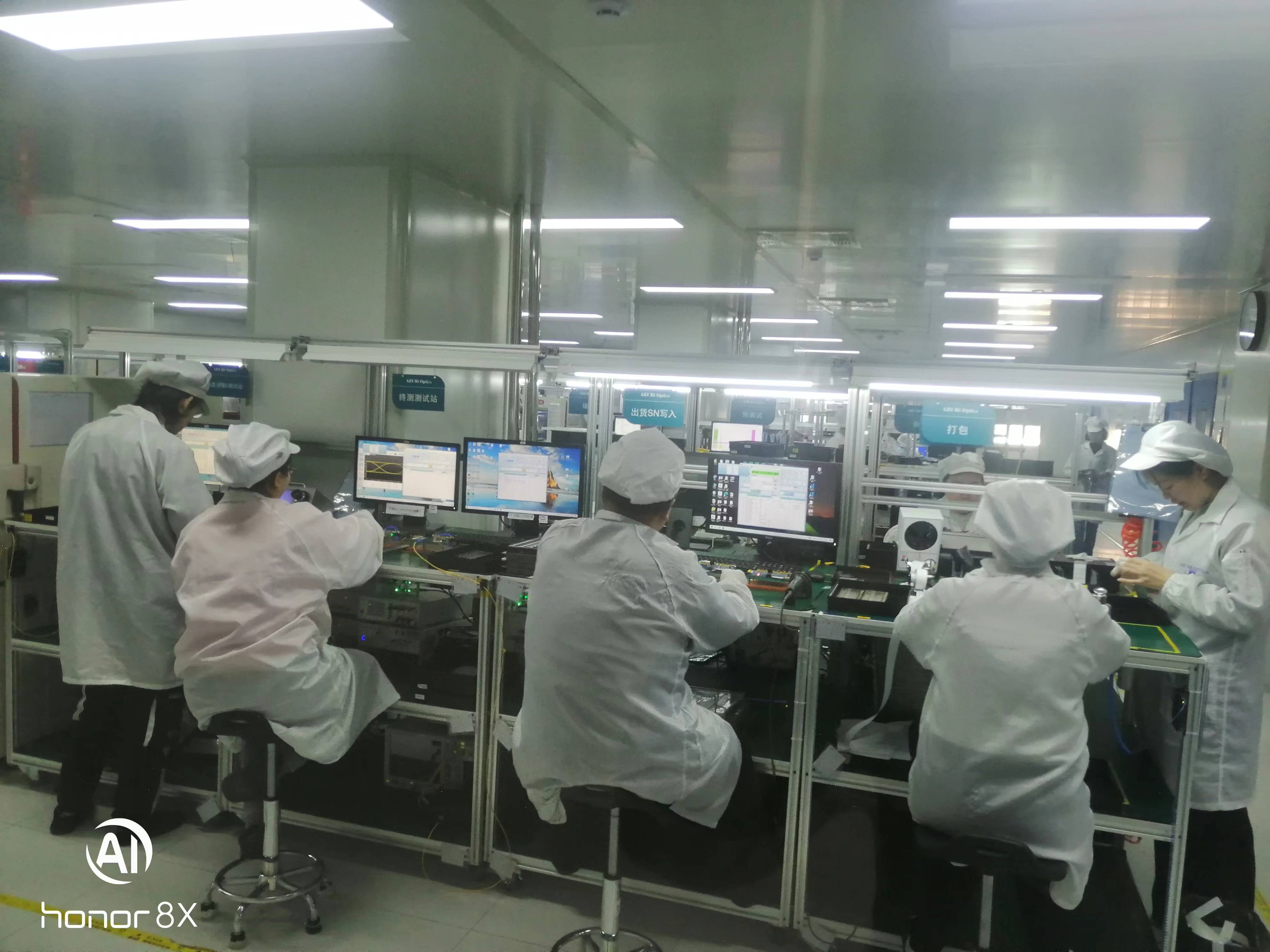
Water quality product factory — inspection and assembly ahead of shipment.
FAQ: Dissolved CO2 and Water Quality Sensor Decisions
Which standards apply to a dissolved CO2 or water quality sensor installation?
Two separate compliance questions apply, and they should be confirmed separately. The first concerns material safety for drinking water contact: NSF/ANSI 61 and 372 are the critical certifications for sensors used in drinking water applications, covering material safety and lead-free compliance, according to NSF International. The second concerns the instrument itself: industrial water quality sensors must comply with EN IEC 61326-1:2021 for electrical equipment for measurement, control and laboratory use, per the European Committee for Electrotechnical Standardization. Wetted material selection is part of the same discussion — KACISE's documented corrosion control specifies PTFE and 316L stainless steel wetted parts. Ask for the certificate scope rather than a general compliance statement.
Can a dissolved CO2 measurement be integrated with existing online pH, conductivity or multi-parameter systems?
In most architectures, yes — and integrating is usually preferable to adding an isolated loop, because a CO2 value requires pH and temperature context to be interpreted. KACISE's KWS-800 Series online multi-parameter water quality sensor measures pH, conductivity, dissolved oxygen and turbidity, among other parameters, in a single digital probe, supports RS-485 and Modbus, and uses a 4–20 mA dual output design for connection to SCADA, PLC and IoT platforms. Buyers should confirm that the specific configuration being quoted supports the parameter combination and output protocol their project requires, since platform capability varies by model.
How should buyers compare the budget of direct CO2 measurement against a calculated approach?
Compare total installed cost rather than probe price. A calculated approach adds no hardware but consumes pH, alkalinity and temperature data, so its cost appears in laboratory time and in the quality of the existing instrument set. A direct probe adds a device plus a recurring membrane or sensing-element routine. Where several parameters are required, integrated designs change the arithmetic: KACISE's published comparison cites an integrated multi-parameter (5-in-1) design versus single-probe alternatives, 25% lower system cost, fewer probes and lower maintenance. Budget should also include calibration consumables, spare parts and the engineering time required to map a new signal into the existing control system.
Can we validate the measurement concept with a sample before committing to a full rollout?
Sample and pilot validation is the normal route, and it should always be run in the real water matrix — including the actual temperature, salinity and fouling load — rather than in clean water. Validation confirms whether the selected architecture survives your conditions and whether the maintenance interval is realistic for your team. Sample evaluation and configuration requests for KACISE water quality monitoring products are handled by the company's sales team: Michelle, sales@kacise.com, telephone and WhatsApp +86 180-6671-9659.
What lead time and supply-continuity factors should be checked before ordering?
Confirm scheduled delivery for the exact configuration, not for the product family. KACISE operates a 40,000 m² facility with an annual output of 120,000 units and exports 70% of production to the EU and USA markets, which speaks to volume capacity rather than to a specific delivery date. For reference, KACISE's published delivery comparison for its ultrasonic and radar instrument lines lists 2–3 weeks versus 6–8 weeks for Siemens; water quality platform schedules should be quoted per configuration. Alongside lead time, verify spare-part availability, calibration intervals, and after-sales support terms before the order is placed — these determine the real cost of ownership far more than the initial invoice.
Conclusion: Buying a CO2 Decision, Not Just a Probe
Dissolved CO2 in water is a small signal with a large decision attached to it: corrosion control, biological stability, remineralisation accuracy or aquatic welfare. Because the value only becomes meaningful alongside pH, temperature and conductivity, the practical purchasing question is not simply whether a dissolved CO2 sensor exists for a given range, but whether the supplier can deliver the surrounding measurement architecture, the integration path into SCADA, PLC and IoT systems, the maintenance design that survives fouling and corrosion, and the documentation that satisfies the applicable standards.
The evaluation sequence is straightforward: define the decision, choose direct measurement or a calculated value, audit the input chain, verify integration and maintenance design, check certification scope, validate on a sample, and only then compare total system cost. Suppliers that can support more than one of these steps — sensing, analysis, control and system integration — reduce the number of interfaces a buyer has to manage.
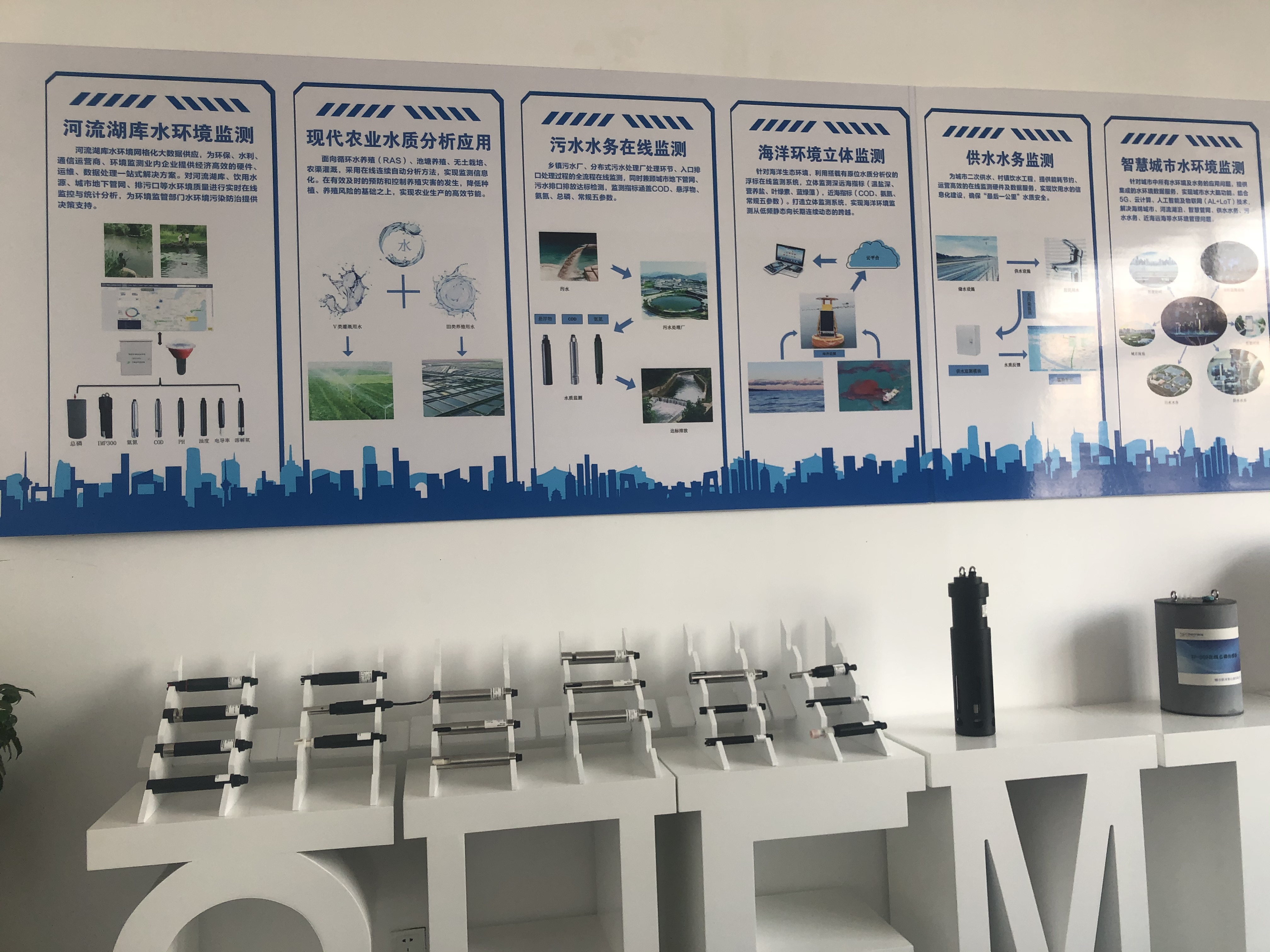
Water quality sensor product display — sample evaluation and configuration quotation support.
Next step for buyers at the decision stage: send your parameter list, water matrix and output requirements to KACISE and request a sample evaluation or a configuration quote. Sample and pilot units are the only reliable way to confirm maintenance intervals and measurement behaviour before a full rollout.
Contact: Michelle | Email: sales@kacise.com | Tel / WhatsApp: +86 180-6671-9659
Website: KACISE water quality sensors and online monitoring systems
Have Questions or Need More Details?
Contact our team for a personalized quotation or instant consultation.
Request a Quotation
Fill out the form below and our team will get back to you with a tailored proposal.
WhatsApp Direct Chat
Prefer to chat in real-time? Message us on WhatsApp for instant assistance & quick answers.
- Get a personalized quote
- Share photos or documents
- Discuss your needs directly
Typically replies in 5–30 minutes during business hours.