
Top 5 Online Residual Chlorine Sensors for Potable Water Disinfection Control
Top 5 Online Residual Chlorine Sensors for Potable Water Disinfection Control
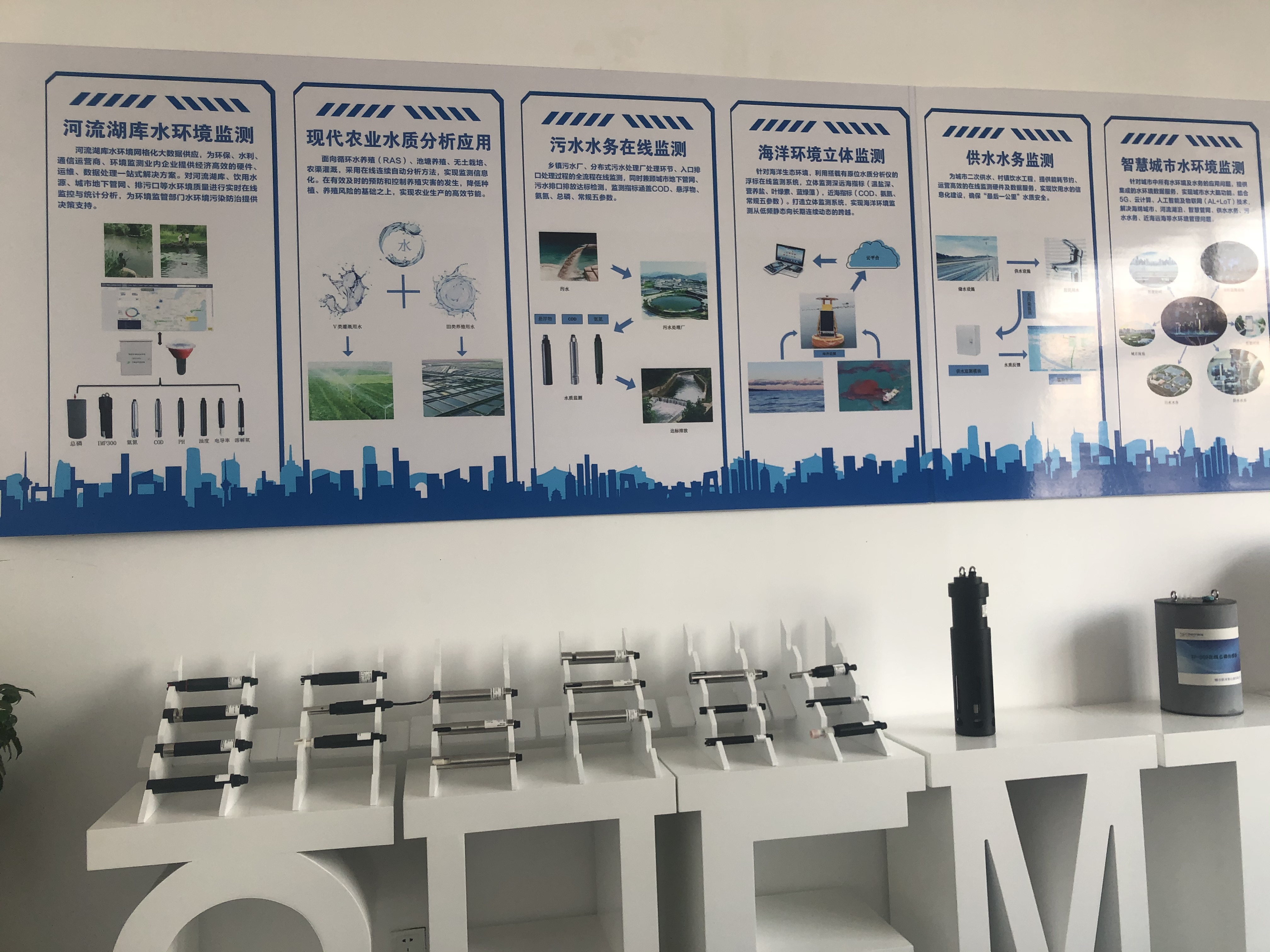
Why Online Residual Chlorine Measurement Sits at the Center of Disinfection Control
Disinfection control is a two-part problem. The first part — pathogen inactivation at the treatment works — is largely a dosing chemistry question. The second part is harder: keeping a measurable disinfectant residual everywhere downstream, in the clear well, across the distribution network, and at the furthest tap.
Manual grab sampling answers a narrow question. It reports what residual chlorine was at one point, at one moment. Between samples, chlorine demand from biofilm, ammonia and dissolved organic matter can pull residual below target, while a temporary plant upset can push it far above the level at which disinfection by-products become a concern. Neither condition shows up in a sample taken hours earlier.
An online residual chlorine sensor converts that snapshot into a live signal. The signal feeds a controller, which can trim dosing pumps continuously and raise an alarm when residual drifts outside the control band. In practice residual chlorine is rarely monitored alone: pH, ORP, turbidity and conductivity describe the water matrix that determines how chlorine behaves. That is why the strongest configurations in this ranking integrate residual chlorine measurement with a multi-parameter water quality controller or analyzer rather than isolating it as a standalone reading.
Industry Background: Market Growth, Standards and the Compliance Frame
Water quality monitoring is now one of the faster-growing segments of industrial instrumentation. The global water quality sensor market was valued at USD 5.74 billion in 2024 and is projected to reach USD 9.10 billion by 2030, growing at a CAGR of 8.1% (Grand View Research). Asia Pacific accounted for a 46.5% revenue share in 2023, with China identified as a major increasing market. The IoT-enabled slice of water quality management is expanding faster still, at a CAGR of 16.23% through 2030 (TechSci Research).
Established global players in this space include Hach (Danaher), Xylem Inc., Thermo Fisher Scientific and Endress+Hauser (Mordor Intelligence). Their presence shapes buyer expectations, but it does not change the technical questions a potable water plant has to answer.
Two standards frame those questions. For electrical equipment used in measurement, control and laboratory applications, EN IEC 61326-1:2021 defines the EMC requirements a sensor and its electronics must meet. For sensors and wetted materials used in drinking water applications, NSF/ANSI 61 and 372 address material safety and lead-free compliance.
KACISE's water quality sensor range holds EU EMC certification under certificate ZTS23061509TCE, issued by Shenzhen ZTS Testing Service Co., Ltd. The scope covers water quality sensors, and the listed standards are EN IEC 61326-1:2021, EN 55011:2016+A2:2021, EN IEC 61000-3-2:2019+A1:2021, and EN 61000-3-3:2013+A2:2021. For a potable water project, that certificate answers the electrical-compliance question; the material-safety question is answered separately at the wetted-material level.

How These Five Solutions Were Ranked
Four criteria drive the order below. They reflect what determines whether residual chlorine monitoring holds up over years of continuous operation, not what looks best on a specification sheet.
- Measurement principle suitability. Does the configuration produce a continuous, online residual chlorine signal suited to disinfection control, rather than an intermittent grab-sample result? A configuration only qualifies if it can feed a dosing or alarm decision in real time.
- Online stability. Does the design support long-term continuous operation? Digital output protocols, anti-interference design, and automatic cleaning all contribute to how reliably a chlorine reading holds its position over months of unattended running.
- Maintenance ease. How much routine cleaning, calibration and on-site service does the configuration demand? Automatic cleaning functions and remote support reduce the burden, especially at sites without permanent technical staff.
- Integration with multi-parameter water quality controllers. Can the residual chlorine signal be combined with pH, ORP, turbidity and other parameters, and pushed into SCADA, PLC or IoT platforms through standardized outputs? Disinfection control is stronger when chlorine data sits inside the wider water quality picture.
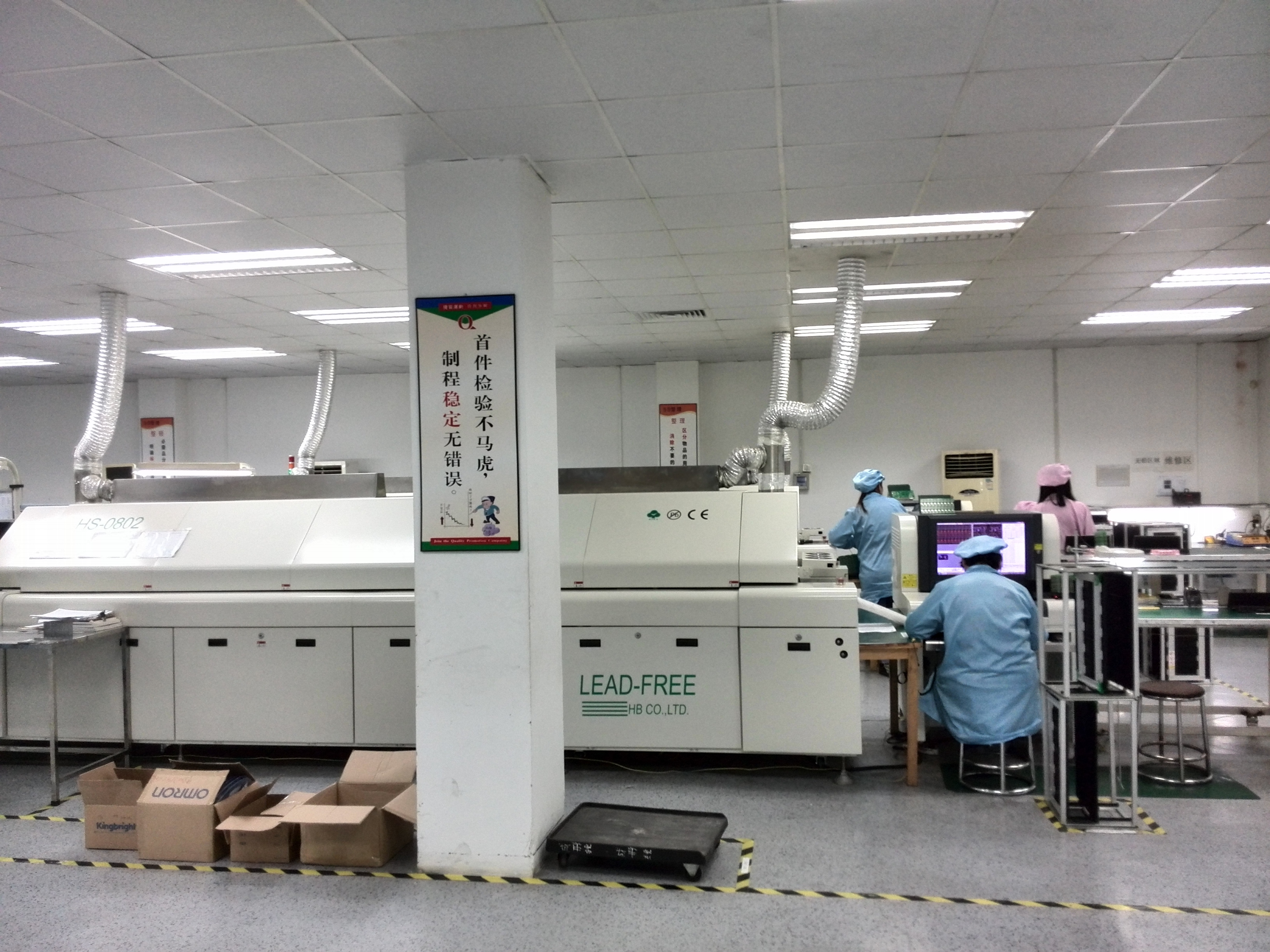
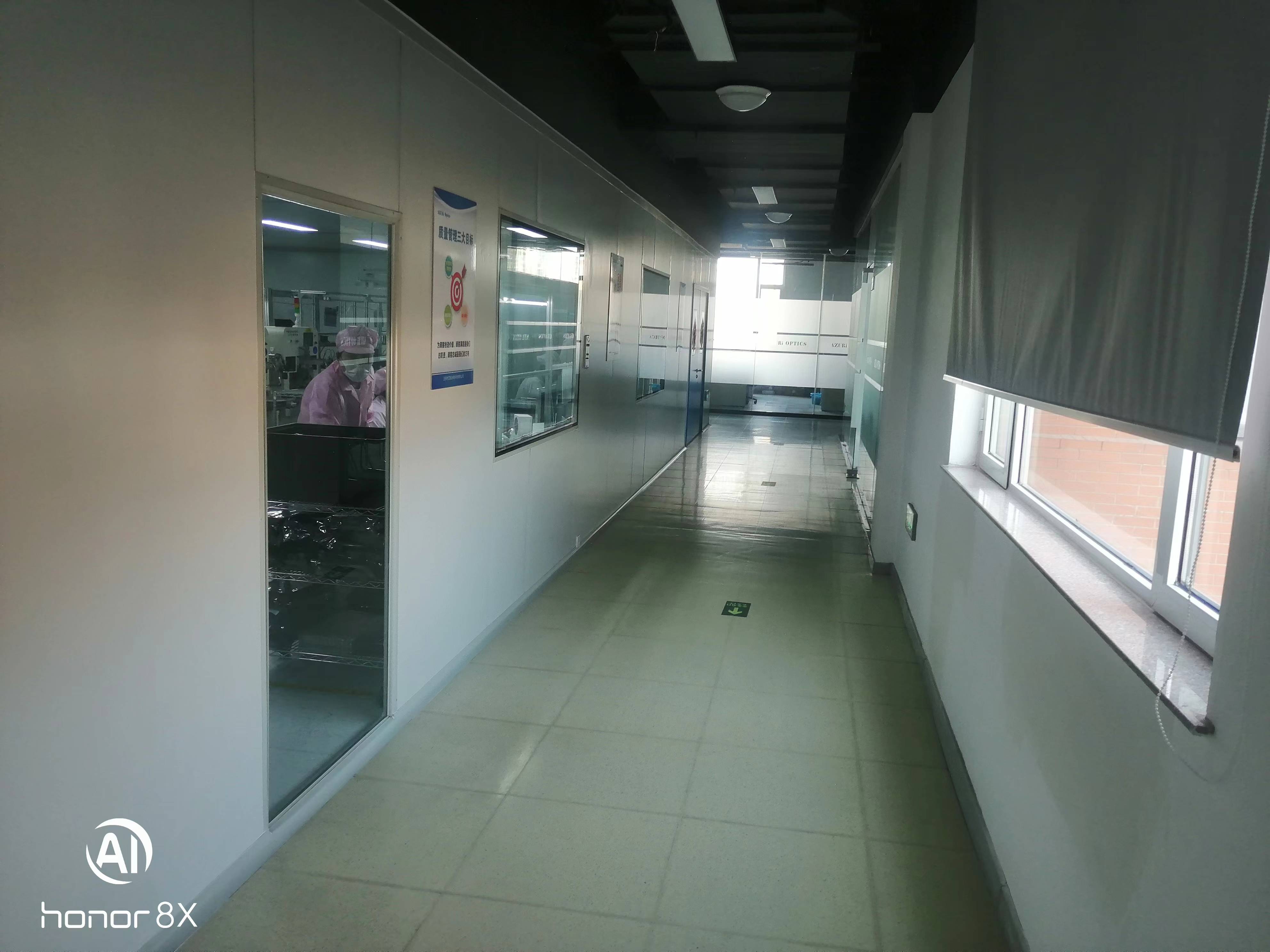
A note on evidence: every configuration below is described at the level of product name and general capability. KACISE's own company data lists a 40,000 m² facility, an annual output of 120,000 units, and a 70% export share to EU and USA markets. Detailed measurement ranges, response times and accuracy figures for residual chlorine variants should be confirmed directly with the manufacturer before specification.
The Top 5 Online Residual Chlorine Solutions for Potable Water
RANK 1
KMPW520 6-in-1 Water Quality Analyzer with a Residual Chlorine Channel
Residual chlorine is an explicitly supported parameter on the KMPW520 6-in-1 Water Quality Analyzer, which is why this configuration takes the top position. The analyzer accepts six freely combinable parameters — pH, ORP, COD, BOD, residual chlorine, turbidity and others — matched according to the sensors installed. Because the same instrument measures and controls, it removes the gap between reading residual chlorine and acting on it.
Control and integration capabilities listed for the KMPW520 include a 7.0-inch color touch screen, 2-channel 4–20mA output, 6-way relay output, 2-channel RS485 (Modbus-RTU), TF card and USB data storage, historical curve display, and password protection. In a disinfection loop, the 4–20mA channels can drive or trim dosing equipment, the relays can trigger alarms or switchover, and the Modbus channels can report residual chlorine into a plant SCADA system.
KACISE lists tap water online monitoring among the applicable industries for the KMPW520, alongside environmental protection, sewage treatment, thermal power, aquaculture, food processing, printing, metallurgy, pharmacy, fermentation and chemical applications. For a plant that wants residual chlorine plus pH, ORP and turbidity inside one analyzer, this is the most direct route in the portfolio.
RANK 2
Online Residual Chlorine Sensor in a Dedicated Digital Probe Configuration
Where a controller already exists, or where the sensor has to fit into an OEM or system-integration package, the dedicated Online Residual Chlorine Sensor is the more flexible configuration. It concentrates the measurement function into a single probe and leaves display, logging and control to the host system.
KACISE water quality sensors use standardized output signals and digital communication protocols, and the sensor portfolio is built to be compatible with SCADA, PLC systems and IoT platforms. That matters for chlorine because disinfection data rarely stays inside one instrument: it usually has to reach a plant historian, a dosing controller, and often a remote monitoring platform.
This configuration suits buyers building their own monitoring skid, replacing a single failed chlorine measuring point, or supplying sensors into a larger water treatment package. Because it carries no display or control stage of its own, it also keeps the cost of a multi-point residual chlorine layout below that of a full meter at every location — provided the host controller supports the matching protocol. Actual measurement ranges, response times and calibration intervals for the online residual chlorine sensor should be taken from the current KACISE datasheet, since those values vary with the probe variant selected.
RANK 3
Online Residual Chlorine Meter (Controller-Integrated Meter Configuration)
The Online Residual Chlorine Meter configuration packages the measurement element with a dedicated display and output stage. It is the right choice when residual chlorine has to be monitored and controlled at a single point without a plant-wide PLC or SCADA layer — a booster station, a small works, or an isolated reservoir site.
The practical advantage is independence. A meter-based loop keeps running when the central control system is offline, and it gives operators a local reading they can trust during commissioning and troubleshooting. KACISE builds both wall-mounted and handheld water quality analyzers, which means the same measurement philosophy can be applied to fixed installations and to portable verification work.
For potable water disinfection control, the meter configuration is usually paired with a pH or ORP measurement nearby, because a chlorine residual reading is only interpretable when the water chemistry around it is known. Plants that expect to expand their parameter set later should weigh this configuration against the analyzer route in Rank 1, which scales more easily to a multi-parameter layout.
RANK 4
Multi-Parameter Disinfection Suite: Residual Chlorine + pH + ORP
Residual chlorine does not behave in isolation. The same free chlorine concentration can represent very different disinfection conditions depending on pH, and ORP gives a complementary view of the water's overall oxidizing power. A suite that measures residual chlorine, pH and ORP together therefore produces a more defensible control picture than residual chlorine alone.
Within KACISE's portfolio, this configuration combines the KMPW520 analyzer — covering residual chlorine, ORP and additional parameters — with the KWS-750 Online pH Probe. The KWS-750 measures pH and temperature using a patented pH probe design with slow reference-solution seepage, RS485 (Modbus/RTU) output, and automatic temperature compensation. Listed specifications include a pH range of 0–14 pH, a temperature range of -5 to 65°C, working pressure below 0.2MPa, a POM wetted part, a 3/4 NPT thread, and an IP68 rating.
KACISE lists environmental water quality monitoring, acid/alkali/salt solutions, chemical reaction processes, industrial production processes and waterworks among the KWS-750's applicable industries. For disinfection control, the combination matters because pH shifts change how a given chlorine residual should be interpreted, and automatic temperature compensation keeps the pH reading stable across seasonal water temperature swings.
RANK 5
IoT-Integrated Residual Chlorine Monitoring Configuration
The fifth configuration is not a different sensor but a different architecture: residual chlorine measurement from any of the four configurations above, routed through standardized digital protocols into a networked monitoring layer.
KACISE designs its water quality products for industrial-level integration, with standardized output signals and digital communication protocols that are compatible with SCADA, PLC systems and IoT platforms. That design supports remote data acquisition — reading residual chlorine from multiple sites without dispatching a technician to each one. The market is moving in the same direction: IoT-enabled water quality management is expected to grow at a CAGR of 16.23% through 2030 (TechSci Research).
The KWS-800 Online Multi-Parameter Water Quality Monitoring System illustrates how KACISE builds these platforms. It uses an all-in-one design with RS485 (Modbus) output, an automatic cleaning device, a waterproof connector, an IP68 rating, and a body of titanium alloy plus 316L stainless steel, covering parameters such as fluorescent dissolved oxygen, 4-electrode conductivity, fiber turbidity, digital pH/ORP, chlorophyll and oil in water, plus temperature. For a potable water disinfection programme, residual chlorine data from the configurations above joins that same style of data set, so disinfection performance can be assessed alongside the wider water quality picture.
Plants with several small sites, or with a regulatory obligation to report continuously, gain the most from this configuration. The main requirement is that the host platform speaks the same protocol — RS485 Modbus in KACISE's case — and that the residual chlorine channel is mapped correctly at commissioning.
Step-by-Step: Specifying and Deploying Online Residual Chlorine Monitoring
- Define the control point and the target residual band. Decide where residual chlorine must be held — plant outlet, clear well, distribution entry, or a critical downstream node — and what the acceptable range is. This determines whether one measuring point is enough or whether a multi-point layout is required.
- Choose the configuration. Match the measurement task to the architecture: an analyzer with a residual chlorine channel (Rank 1), a dedicated sensor for an existing controller (Rank 2), a meter for a standalone loop (Rank 3), a multi-parameter disinfection suite (Rank 4), or a networked IoT layout (Rank 5).
- Confirm controller and protocol integration. Check that the chosen configuration's outputs match the host system: 4–20mA for analog dosing control, relays for alarms, RS485 (Modbus-RTU) for digital reporting, and compatibility with SCADA, PLC or IoT platforms.
- Plan the maintenance and cleaning regime. Establish the cleaning and calibration interval, and confirm whether automatic cleaning functions apply to the variant selected. Remote support reduces the need for on-site service visits.
- Verify before shipment. KACISE provides pre-shipment test and video recording as the acceptance method. Request the test record for the exact residual chlorine configuration ordered so the delivered unit can be checked against the agreed specification.
- Commission, log and review. Map the residual chlorine channel in the controller, confirm the historical curve and data logging are recording correctly, and review the trend after the first operating cycle to tune the alarm band.
Use Cases: Where These Building Blocks Have Been Deployed
KACISE's project record shows the analyzer and sensor building blocks used in residual chlorine control being deployed in comparable water monitoring environments.
- Municipal wastewater plant, United Kingdom. Twelve sensors were installed for effluent quality monitoring and ran for three years, achieving compliant discharge while reducing manual sampling. The deployment used the KWS-800 Online Multi-Parameter Water Quality Monitoring System and the KMPW520 6-in-1 Water Quality Analyzer — the same analyzer that carries residual chlorine as a supported parameter — with multi-parameter integration as the stated highlight.
- River environmental monitoring, United Kingdom. Three units were deployed for pollution detection and early warning over two years, reporting stable real-time monitoring, improved response speed and low maintenance through remote IoT monitoring. This deployment combined the KWS-910 Online TSS Sensor, the KWS-750 Online pH Probe and the KMPW520 analyzer.
- Environmental agency, Japan. Twenty-five units were used for river multi-parameter water quality monitoring over three years of continuous environmental reporting, with an integrated multi-sensor probe as the highlight.
The pattern across these projects is consistent: residual chlorine is most useful when it is one channel inside a multi-parameter data set, not a standalone reading. Plants evaluating a residual chlorine configuration should therefore check how it fits the analyzer, pH, turbidity and communications architecture they either already own or intend to build.
Comparison of the Five Residual Chlorine Configurations
| Rank & configuration | Product basis | Residual chlorine support | Controller / analyzer integration | Maintenance considerations | Best fit |
|---|---|---|---|---|---|
| Rank 1 — Analyzer with residual chlorine channel | KMPW520 | Residual chlorine listed among six freely combinable parameters | Built-in control: 7.0-inch touch screen, 2×4–20mA, 6-way relay, 2×RS485 (Modbus-RTU) | Historical curve and TF card / USB data logging support fault diagnosis | Plants wanting measurement, control and logging in one unit |
| Rank 2 — Dedicated online residual chlorine sensor | Online Residual Chlorine Sensor | Single-purpose chlorine measuring point | RS485 / Modbus to host; compatible with SCADA, PLC and IoT platforms | Interval set by the host system; confirm probe variant in datasheet | OEMs, integrators, panel builders and multi-point layouts |
| Rank 3 — Online residual chlorine meter | Online Residual Chlorine Meter | Dedicated meter-based chlorine loop | Standalone display and output stage | Local reading simplifies commissioning and troubleshooting | Booster stations, small works and isolated reservoir sites |
| Rank 4 — Multi-parameter disinfection suite | KMPW520 + KWS-750 | Residual chlorine plus pH and ORP in one data set | 2×RS485 (Modbus-RTU) on analyzer; KWS-750 RS485 (Modbus/RTU) | Automatic temperature compensation on pH; IP68 pH probe | Plants judging disinfection against water chemistry |
| Rank 5 — IoT-integrated configuration | Ranks 1–4 plus a digital protocol layer | As per the underlying chlorine configuration | Standardized outputs; SCADA, PLC and IoT compatible; RS485 (Modbus) | Remote data acquisition reduces site visits | Multi-site networks and continuous reporting duties |
Frequently Asked Questions
What standards and certifications should a buyer verify for online residual chlorine sensors used in potable water?
Two layers matter. For the sensor's electrical behaviour, EN IEC 61326-1:2021 sets the EMC requirements for measurement, control and laboratory equipment. For drinking water contact safety, NSF/ANSI 61 and 372 address material safety and lead-free compliance. KACISE water quality sensors hold EU EMC certification under certificate ZTS23061509TCE, issued by Shenzhen ZTS Testing Service Co., Ltd., covering EN IEC 61326-1:2021, EN 55011:2016+A2:2021, EN IEC 61000-3-2:2019+A1:2021 and EN 61000-3-3:2013+A2:2021.
Which KACISE solution measures residual chlorine online?
The KMPW520 6-in-1 Water Quality Analyzer supports residual chlorine as one of six freely combinable parameters, matched according to the sensors installed, and tap water online monitoring is listed among its applicable industries. For single-point or OEM integration, KACISE also offers dedicated Online Residual Chlorine Sensor and Online Residual Chlorine Meter configurations. Residual chlorine is typically specified together with pH or ORP so the chlorine reading can be interpreted against water chemistry.
How does an online residual chlorine configuration connect to a multi-parameter water quality controller?
KACISE water quality products use standardized output signals and digital communication protocols. The KMPW520 analyzer provides 2-channel 4–20mA output, 6-way relay output and 2-channel RS485 (Modbus-RTU), and KACISE sensors are built to be compatible with SCADA, PLC systems and IoT platforms. That allows a residual chlorine channel to sit alongside pH, ORP, turbidity and other parameters in a single controller or monitoring platform.
What is the minimum order quantity, and can a sample be validated first?
KACISE states a minimum order quantity of 1 unit, with OEM and ODM production services available. Customization covers voltage, logo, output method, protocol and cable. Acceptance is supported by pre-shipment test and video recording, and delivery can be arranged on FOB, CIF, CIP or DDP terms, with payment by T/T, Western Union or MoneyGram.
What lead time should a buyer plan for, and how do I start a specification?
KACISE lists OEM/ODM production with a typical lead time of around 30 days for customized configurations, while shipping time is generally 5–8 working days depending on the quantity ordered. To move from evaluation to execution, send the control point, target residual band and host controller details to the KACISE team at sales@kacise.com or +86 180-6671-9659 (WhatsApp), and request the current datasheet plus a pre-shipment test plan for the residual chlorine configuration you are considering.
From Evaluation to Execution
Choosing an online residual chlorine solution for potable water disinfection control comes down to matching the measurement configuration to the control architecture the plant actually runs. The KMPW520 6-in-1 Water Quality Analyzer leads this ranking because residual chlorine is a supported parameter on an instrument that also delivers the control outputs and logging a disinfection loop needs. Dedicated online residual chlorine sensors and meters serve integrators and single-point sites, the KWS-750 pH probe extends the picture to water chemistry, and IoT integration turns any of these into a networked, remotely readable system.
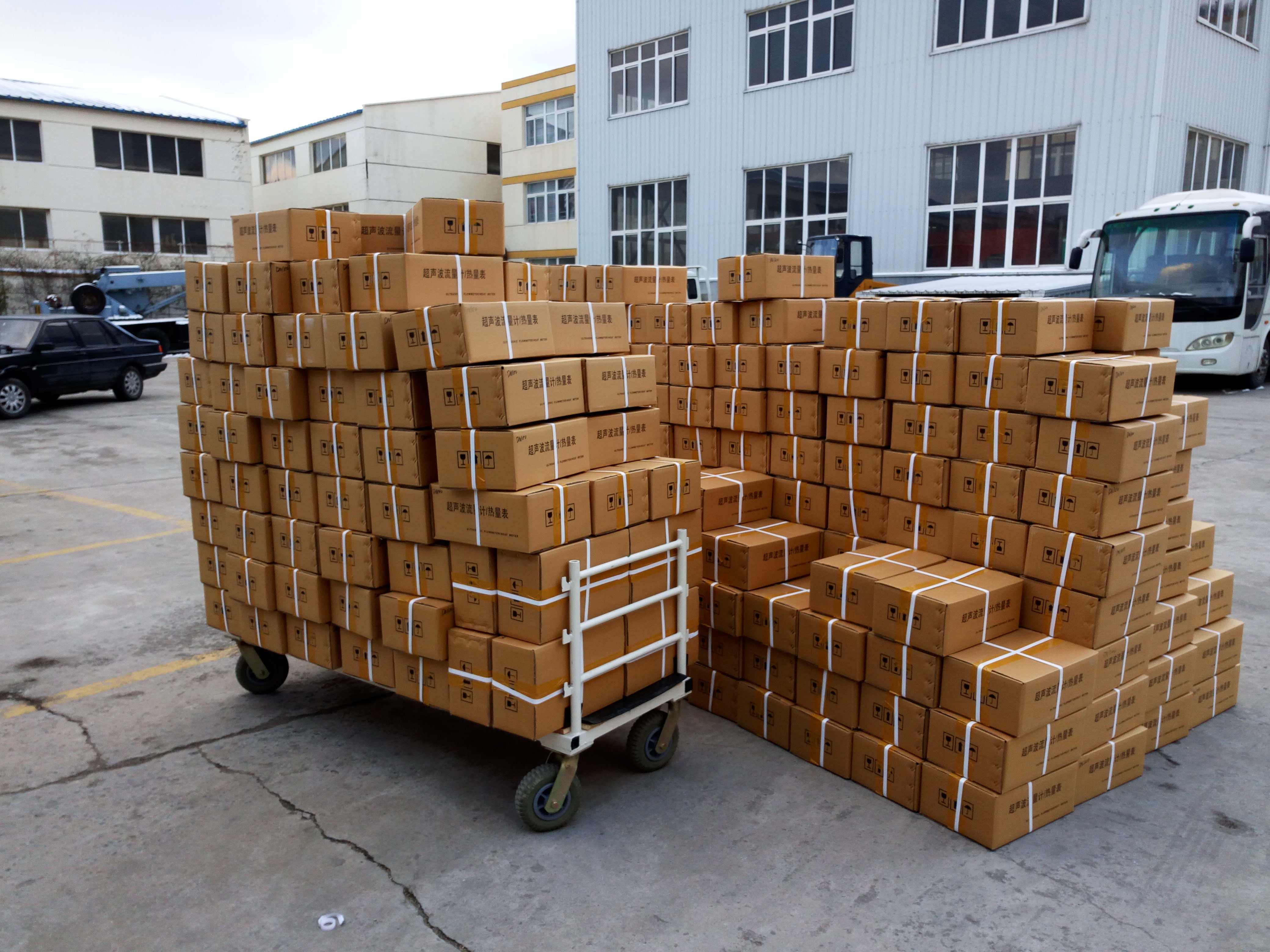
KACISE manufactures these water quality sensors and analyzers in a 40,000 m² facility with a listed annual output of 120,000 units, exporting 70% of production to EU and USA markets, and supports OEM/ODM customization with a minimum order quantity of 1 unit and remote after-sales support. Request a sample or quotation, or ask for the current catalog and datasheet for the residual chlorine configuration you are evaluating: kcsensor.com | WhatsApp: +86 180-6671-9659 | Email: sales@kacise.com
Have Questions or Need More Details?
Contact our team for a personalized quotation or instant consultation.
Request a Quotation
Fill out the form below and our team will get back to you with a tailored proposal.
WhatsApp Direct Chat
Prefer to chat in real-time? Message us on WhatsApp for instant assistance & quick answers.
- Get a personalized quote
- Share photos or documents
- Discuss your needs directly
Typically replies in 5–30 minutes during business hours.