Certification vs. Specification: Qualifying a Water Quality Sensor Manufacturer for Industrial Projects
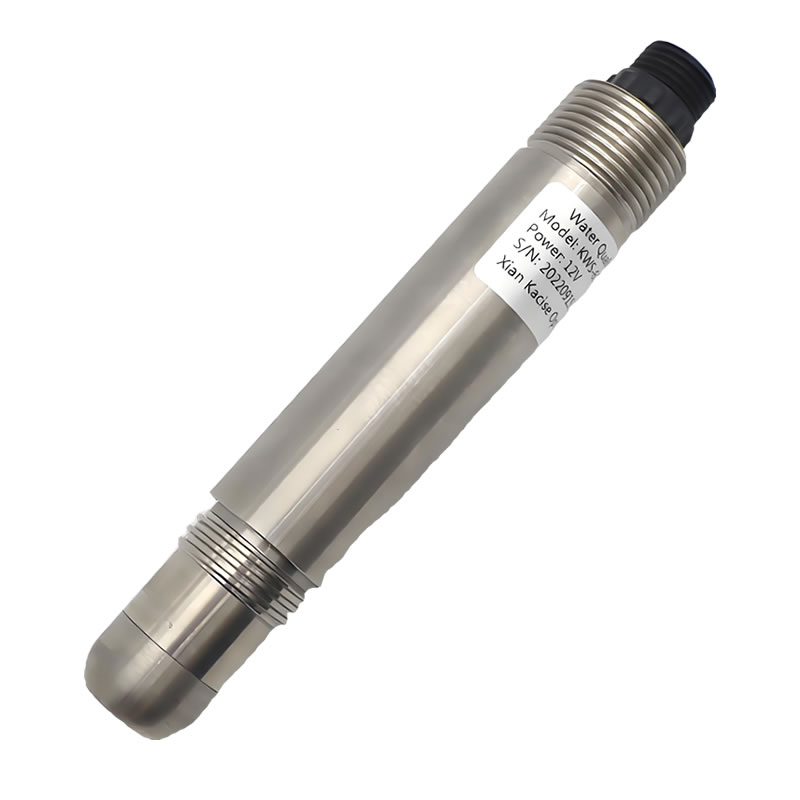
Before comparing prices, industrial buyers should compare verifiable compliance evidence and measurement specifications. A water quality sensor manufacturer can claim broad capabilities, but the practical qualification question is which certifications, parameters, materials, and production controls can be verified. This guide applies that test during the research and evaluation phase and uses KACISE as a working example. KACISE, formally Xi'an Kacise Optronics Tech Co., Ltd., was founded in 2014 and operates a 40,000 m² facility with an annual output capacity of 120,000 units. The company exports about 70% of its production to EU and USA markets.
Problem Definition: why the datasheet and the certificate answer different questions
Datasheet parameter tables describe what a sensor is designed to measure: range, resolution, output protocol, temperature limits, wetted materials, and protection class. Certificates describe whether a product family has passed a defined compliance test. These two forms of evidence are complementary, but they are not interchangeable.
During qualification, buyers should ask three questions. Does the certificate actually cover the quoted model? Does the parameter range match the process condition? Does the sensor material fit the liquid chemistry? The same questions apply to any water quality sensor manufacturer, regardless of brand recognition.
Industry Background: market growth and the rising need for verifiable supplier evidence
According to Grand View Research, the global water quality sensor market was valued at USD 5.74 billion in 2024 and is projected to reach USD 9.10 billion by 2030, at a CAGR of 8.1%. Asia Pacific led the market with a revenue share of 46.5% in 2023, and China was identified as a major increasing market. A related estimate puts the broader water quality monitoring systems market at USD 5.8 billion in 2024, with sensors accounting for the largest segment at a 45% share. Estimates vary by institution because some reports count only sensors while others include complete monitoring systems, but the growth direction is consistent.
TechSci Research projects that IoT-enabled water quality management will grow at a CAGR of 16.23% through 2030. This shift makes procurement more complex because buyers must evaluate not only sensor performance but also digital output, integration, and long-term data reliability. Market research from Mordor Intelligence lists Hach (Danaher), Xylem Inc, Thermo Fisher Scientific, and Endress+Hauser among established global leaders. KACISE offers a different procurement path: direct access to a Chinese manufacturer with a broad water quality portfolio, a documented factory base, and low-MOQ OEM/ODM support.
Detailed Solution: a verification framework for water quality sensor manufacturer selection
1. Start with compliance evidence
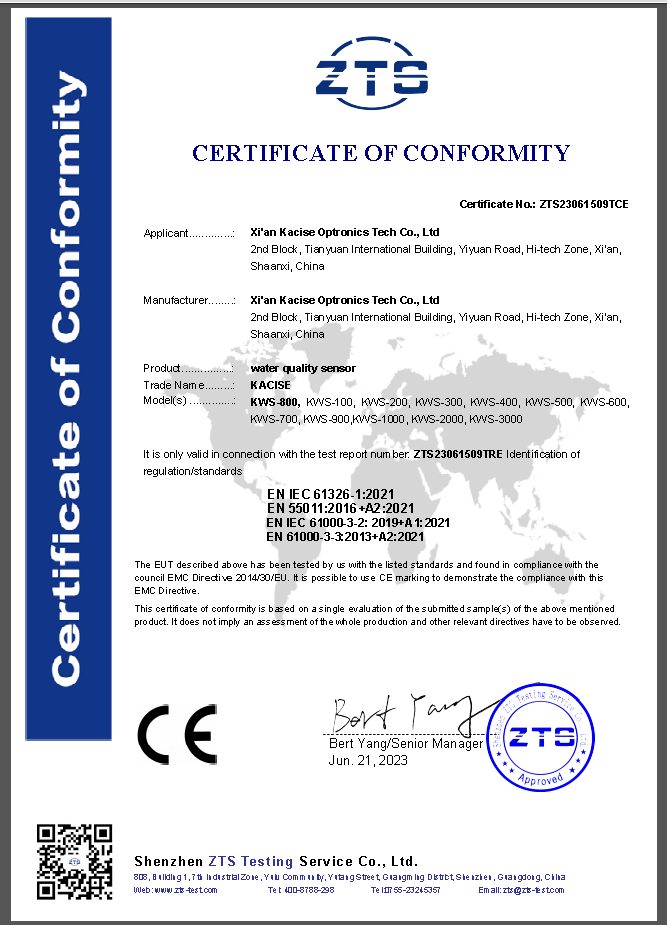
For EU-bound equipment, EN IEC 61326-1:2021 is a relevant EMC standard for electrical equipment for measurement, control, and laboratory use. KACISE holds a water quality sensor CE EMC certificate with number ZTS23061509TCE, issued by Shenzhen ZTS Testing Service Co., Ltd. The certificate covers EN IEC 61326-1:2021, EN55011:2016+A2:2021, EN IEC 61000-3-2:2019+A1:2021, and EN 61000-3-3:2013+A2:2021. KACISE also holds an EMC certificate for ultrasonic level sensors (ZTS25021126HCE) and a flow meter EMC certificate (ZTS23052402XCE). For a procurement team, the certificate number and scope are more useful than a general claim of CE compliance.
2. Trace the parameters to the sensor
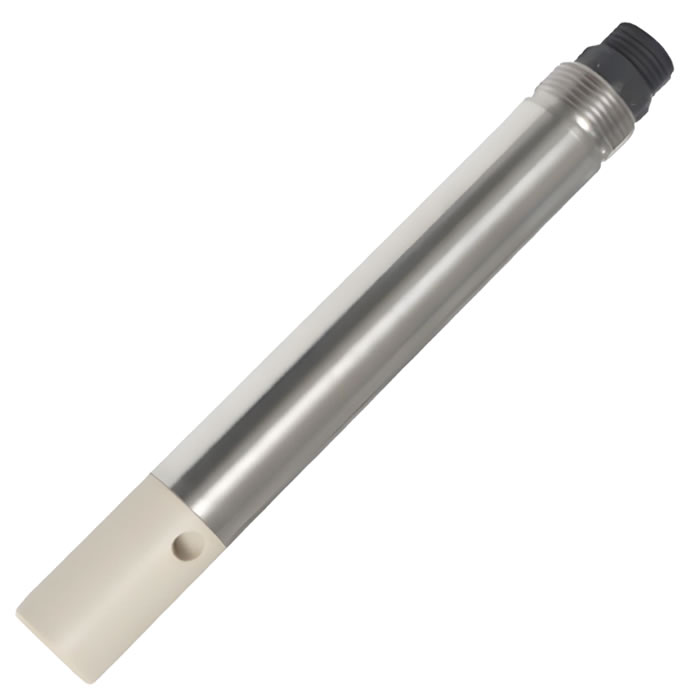
KACISE's documented product range covers pH, ORP, dissolved oxygen, conductivity, turbidity, TSS, COD, TOC, residual chlorine, oil-in-water, chlorophyll-a, phycocyanin, salinity, TDS, nitrite, and related water quality parameters. The following examples show the level of detail buyers should expect. The KWS-3500 residual chlorine sensor measures residual chlorine from 0 to 2.000 mg/L with 0.001 mg/L resolution, or 0 to 20.00 mg/L with 0.01 mg/L resolution, in a temperature range of 5 to 50°C and a pH range of 4 to 9, using RS485 Modbus/RTU output and flow-cell installation. The KWS-1100 oil-in-water sensor uses the ultraviolet fluorescence method, has a detection limit of 1 ppb, and operates from 0 to 50°C. The KWS-630 fluorescence dissolved oxygen sensor measures 0 to 20 mg/L DO, requires no electrolyte, and has no flow-rate limit. The KWS-450 optical fiber chlorophyll sensor measures chlorophyll-a from 0 to 500 μg/L and phycocyanin from 0 to 1000 μg/L.
At analyzer level, the KMPW520 supports six freely combined parameters, a 7.0-inch color touchscreen, two 4-20 mA channels, six relays, and two RS485 Modbus-RTU channels. The KMPW100 controller is designed for multi-parameter monitoring including DO, pH, ORP, conductivity, turbidity, COD, and ammonia nitrogen. The KWS-800 system integrates up to seven optional parameters in one digital probe: fluorescent DO, 4-electrode conductivity, fiber turbidity, digital pH/ORP, chlorophyll, and oil in water, plus temperature. For portable checks, the KWS-990P suspended solids analyzer covers 0.001 to 100,000 mg/L TSS, and the KWS-670 portable optical DO meter measures 0 to 20 mg/L dissolved oxygen.
3. Check materials, protection, and maintenance demands
Immersed sensors are exposed to conductive, corrosive, saline, or high-solids media. KACISE product specifications identify wetted materials such as POM, 316L stainless steel, and titanium alloy, with IP68 protection common across sensor models. The KWS-300 conductivity sensor uses a 4-electrode design with titanium wetted parts and measures up to 100 mS/cm. The KWS-360 salinity sensor measures 0 to 72 ppt salinity with 316L stainless steel as standard and titanium alloy as an option. Several sensors also offer self-cleaning or automatic cleaning brush options. For the buyer, these details define whether the sensor will survive the actual application, not whether it works in a clean-water demonstration.
4. Verify production and quality-control commitments
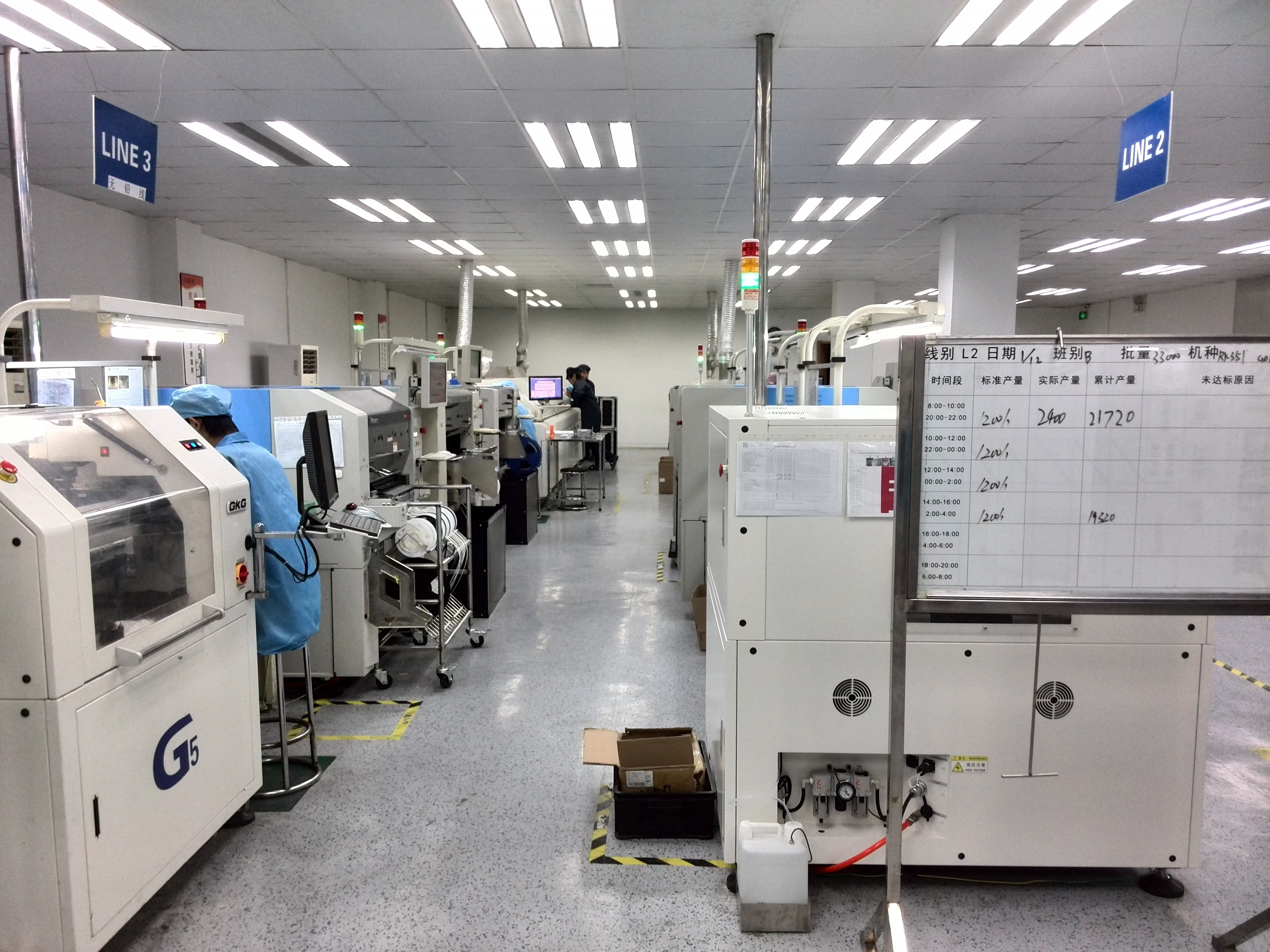
Manufacturer evidence should include production capacity, order flexibility, and test routines. KACISE operates a 40,000 m² facility and lists an annual output of 120,000 units. For OEM/ODM orders, the company states a monthly capacity of 5,000 units, a MOQ of 1 unit, 100% test before shipment, and remote support. Customization can include voltage, logo, output method, protocol, and cable. A MOQ of one unit is particularly useful for a pilot evaluation before larger procurement.
5. Look for application evidence
Recorded cases provide a final layer of evidence. A municipal wastewater plant in the United Kingdom used 12 KACISE sensors for effluent quality monitoring over three years, supporting compliant discharge and reducing manual sampling. An aquaculture farm in Norway used 15 units for dissolved oxygen and ammonia monitoring over three years, reporting increased fish survival. River environmental monitoring in the UK used three units for pollution detection and early warning over two years, with stable real-time monitoring and remote IoT capability. Agricultural runoff monitoring in Finland used four KWS-450 chlorophyll sensors for nutrient runoff tracking over two years. These examples connect the manufacturer's products to measurable operating contexts.
Step-by-Step Supplier Qualification Workflow
- Define the application envelope. Document the required parameters, expected ranges, liquid chemistry, temperature, pressure, output protocol, and installation method before contacting any manufacturer.
- Request certificate files. Ask for the certificate number, issuing body, standard, scope, and issue date. For example, KACISE's water quality sensor CE EMC certificate is ZTS23061509TCE.
- Compare the datasheet with the certificate scope. Confirm that the exact model being quoted is covered by the certification.
- Inspect material and protection details. Check wetted parts, IP rating, and cleaning options against the actual liquid and environment.
- Plan a pilot order. A low-MOQ order can validate the sensor in the target process. KACISE's OEM/ODM option has a MOQ of 1 unit.
- Agree on support and delivery. Confirm testing policy, remote support, shipping time, and the documentation package before placing a larger order.
Use Cases: matching KACISE sensor types to project requirements
Drinking water and distribution networks
For drinking water treatment plants, canning plants, distribution networks, swimming pools, and cooling circulating water, the KWS-3500 residual chlorine sensor is designed for flow-cell installation and RS485 output. The KWS-750 pH probe and the KWS-352 TDS sensor add basic stability checks. A multi-parameter system such as the KWS-800 can reduce the number of probes and simplify data integration.
Aquaculture and marine farming
For aquaculture, dissolved oxygen is often the first priority. The KWS-630 fluorescence DO sensor can measure 0 to 20 mg/L without an electrolyte or flow-rate limit. Saline environments can be covered by the KWS-360 salinity sensor and the KWS-300 conductivity sensor. A Norway aquaculture farm case documented 15 units used for dissolved oxygen and ammonia monitoring over three years, with increased fish survival reported from continuous monitoring.
Municipal wastewater and river monitoring
Municipal plants can use the KWS-100/KWS-101 COD sensor for inlet and outlet monitoring, the KWS-910 TSS sensor for suspended solids, and the KMPW520 analyzer for multi-parameter display and control. In the UK municipal case, 12 sensors supported compliant effluent discharge and reduced manual sampling over three years. In river monitoring, three units provided stable real-time pollution early warning with remote IoT capability.
Comparison: What evidence should be checked
The table below is a market context comparison, not a ranking. Global leader names are drawn from published market research; KACISE details are from company and product data.
| Supplier / manufacturer | Verifiable context | Procurement relevance |
|---|---|---|
| KACISE (Xi'an Kacise Optronics Tech Co., Ltd.) | Founded 2014; 40,000 m² facility; annual capacity of 120,000 units; about 70% of output exported to EU/USA; CE EMC certificate ZTS23061509TCE for water quality sensors; OEM/ODM with MOQ of 1 unit and 100% test | Useful for buyers that need direct manufacturer access, low-volume validation, custom output/protocol options, and documented compliance evidence. |
| Hach (Danaher) | Identified as an established global leader in water quality instrumentation. | Typically considered by buyers that need a broad portfolio and long-standing brand references. |
| Xylem Inc | Identified as an established global leader in water infrastructure and water/wastewater sensors. | Relevant for large infrastructure and project-based procurement programs. |
| Thermo Fisher Scientific | Identified as an established global leader in analytical instruments. | Relevant when laboratory-grade analysis and broader scientific instrument support are required. |
| Endress+Hauser | Identified as an established global leader in process automation and measurement instrumentation. | Relevant for process plants that require system-level integration and local service networks. |
FAQ
Does KACISE have CE certification for water quality sensors?
Yes. KACISE holds water quality sensor CE EMC certificate ZTS23061509TCE, issued by Shenzhen ZTS Testing Service Co., Ltd. The certificate covers EN IEC 61326-1:2021, EN55011:2016+A2:2021, EN IEC 61000-3-2:2019+A1:2021, and EN 61000-3-3:2013+A2:2021.
What parameters do KACISE water quality sensors cover?
KACISE's documented product range includes pH, ORP, dissolved oxygen, conductivity, turbidity, TSS, COD, TOC, residual chlorine, oil-in-water, chlorophyll-a, phycocyanin, salinity, TDS, nitrite, and related parameters. The KWS-800 series can integrate up to seven optional parameters in a single digital probe.
Is there a minimum order or public price band for KACISE sensors?
KACISE's technical data does not include a public price band. The practical way to estimate budget is to request a quotation after confirming the sensor model, wetted material, output protocol, self-cleaning option, and quantity. KACISE supports OEM/ODM with a MOQ of 1 unit, so a pilot order can be used to verify cost assumptions.
Can one unit be ordered as a sample?
Yes. The OEM/ODM production option has a MOQ of 1 unit. Customization can include voltage, logo, output method, protocol, and cable, and every unit is 100% tested before shipment.
How long does KACISE take to ship an order?
KACISE states that shipping time is generally 5-8 working days, depending on the quantity purchased. For a current schedule, sample request, or quotation, contact KACISE directly. The sales team can be reached at sales@kacise.com or +86 180-6671-9659.
Conclusion
A water quality sensor manufacturer should be qualified by evidence, not by adjectives. Start with compliance, move to parameters, then check materials, production controls, and application history. KACISE is a useful example because its public data includes a product-level CE EMC certificate, detailed sensor specifications, low-MOQ OEM/ODM options, documented export production, and application cases from EU markets. Buyers who apply this framework can reduce specification mismatches and make the transition from research to evaluation with clearer decision criteria.
Ready to verify a specific sensor against your application?
Contact KACISE for certificate files, parameter confirmation, a sample order, or a quotation. Email: sales@kacise.com | Tel/WhatsApp: +86 180-6671-9659
Have Questions or Need More Details?
Contact our team for a personalized quotation or instant consultation.
Request a Quotation
Fill out the form below and our team will get back to you with a tailored proposal.
WhatsApp Direct Chat
Prefer to chat in real-time? Message us on WhatsApp for instant assistance & quick answers.
- Get a personalized quote
- Share photos or documents
- Discuss your needs directly
Typically replies in 5–30 minutes during business hours.