Water Quality Sensors by Treatment Stage: An Application Guide
Every stage of an industrial wastewater treatment train asks a different question of the water. Matching the sensor to the stage — rather than to a catalogue page — is the fastest way to build a monitoring package that still reads correctly long after commissioning day.
The working map used throughout this guide is short. Influent and equalisation need COD, TSS, pH and ORP to characterise load and catch shocks. Aeration and nitrification need dissolved oxygen as the control signal and ammonia nitrogen as the confirmation signal. Denitrification and anoxic zones need ORP and nitrate nitrogen to place carbon dosing correctly. Effluent and compliance points need ammonia nitrogen, nitrate nitrogen, COD, TSS and pH to prove what is leaving the plant.
Xi'an Kacise Optronics Tech Co., Ltd. (KACISE) is a water quality sensor manufacturer headquartered in Xi'an, Shaanxi, China, with a 40,000 m² production facility and an annual output of 120,000 units. Its portfolio covers the online units this guide refers to — Digital COD Sensor, Online Ammonia Nitrogen Sensor, Online TSS Sensor, Digital pH Sensor, Online Dissolved Oxygen Sensor and Online ORP Sensor — plus the Multi-Parameter Water Quality Controller that consolidates them into a single signal chain.
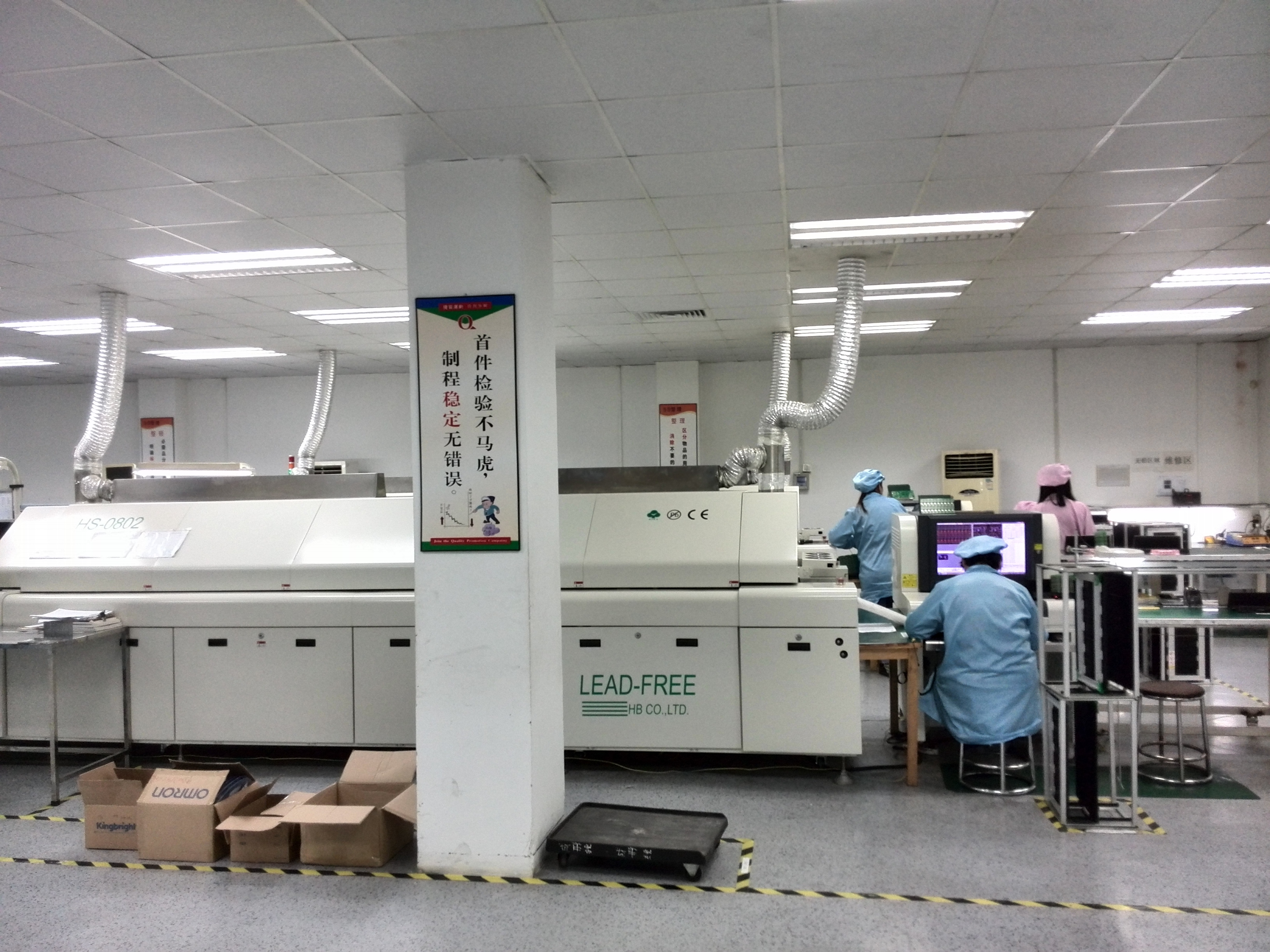
Production workshop: KACISE builds water quality sensors and controllers for industrial wastewater, municipal and environmental monitoring projects.
Why Stage Matching Decides Whether a Sensor Works
Most monitoring faults reported after commissioning are not failures of the sensing element. They are mismatches between the sensor and the physical or process conditions at the point where it was installed. Three patterns repeat often enough to be treated as design errors rather than accidents.
The installation point defeats the measurement. A TSS sensor placed where polymer floc is still forming reads the floc, not the suspended solids load. An ORP probe sitting in a heavily aerated zone is asked to hold a stable reading in water that is being deliberately driven in the opposite direction. A COD unit drawing raw influent carrying rags, grit and grease fouls far faster than one drawing screened water. In each case the instrument is working; the position is wrong.
The parameter set is built probe by probe. Buying single-parameter units stage by stage is a common way to end up with more wetted parts, more calibration visits, more spare-part variants and more cabinet space than the control strategy actually requires. Grand View Research reports that multi-parameter units accounted for over 60% of new sensor sales globally in 2024, up from 42% in 2020 — the market has been consolidating channels into shared platforms rather than adding discrete probes.
The reading never reaches a decision. A sensor that is not mapped to a controller input, an alarm threshold or a dosing loop becomes a data logger that nobody acts on. Stage matching has to include the signal path, not only the wetted end.
Industry Background: Why Stage-Level Monitoring Is Being Standardised
Water quality sensing has moved from spot sampling toward continuous, stage-specific monitoring. Grand View Research valued the global water quality sensor market at USD 6.2 billion in 2025, with Asia Pacific accounting for a 48.2% revenue share that year. The commercial driver behind that figure is not new instrumentation for its own sake; it is the cost of getting a stage wrong — over-aerating a basin, under-dosing a carbon source, or discovering an ammonia excursion at the outfall instead of in the aerated zone.
Regulatory pressure pushes in the same direction. Frameworks such as the U.S. Environmental Protection Agency's Standardized Monitoring Framework describe how monitoring should be organised so that results are comparable and defensible. In practice that means the reading at the compliance point must be traceable back through the treatment train, which is only possible when the upstream stages are instrumented as well.
Supplier capability has followed. KACISE describes a portfolio that includes online multi-parameter water quality sensors (the KWS-800 Series measures pH, conductivity, dissolved oxygen and turbidity), COD, TOC and organic matter sensors, ORP sensors, fluorescence dissolved oxygen sensors and oil-in-water detection sensors. The company reports RS-485 and Modbus digital outputs, 4–20 mA signalling, compatibility with SCADA, PLC and IoT platforms, automatic cleaning functions and an anti-interference design intended for continuous online operation. KACISE also reports a 70% export ratio with the EU and USA as main markets — which is relevant to buyers who need documentation and support across jurisdictions rather than a domestic-only supply relationship.
Stage-by-Stage Sensor Matching
The sections below follow the water. For each stage the guide states the control objective first, then the parameter that serves it, then the online unit that carries it, and finally the installation and interference conditions that decide whether the reading survives.
Influent and Equalisation: Characterise the Load Before It Reaches the Biology
The control objective at the inlet is load characterisation and shock detection, not treatment control. The plant needs to know what is arriving so that equalisation volume, neutralisation and downstream dosing can be adjusted before the biomass is affected.
COD is the load indicator: a Digital COD Sensor on the incoming flow or the equalisation tank outlet gives the trend the operators need to anticipate high-strength discharges. TSS describes the solids burden and the downstream clarifier duty — an Online TSS Sensor is normally sited where gross debris has already been removed, because rags and grit are a mechanical problem before they are an optical one. pH is the first corrective loop, since neutralisation decisions are taken here; a Digital pH Sensor at the equalisation outlet supports that. ORP at the inlet provides a fast, non-specific early signal that the redox character of the incoming water has changed.
Interference at this stage is dominated by fouling and physical damage. KACISE addresses this with a self-cleaning and easy-maintenance design that uses a detachable probe and a smooth surface coating, which reduces the interval between manual cleans. For corrosive streams, wetted parts in PTFE or 316L stainless steel are the specified materials.
Aeration and Nitrification: Dissolved Oxygen Controls, Ammonia Confirms
Aeration is where most of a treatment plant's instrumentation value is created or wasted. The control objective is to hold a dissolved oxygen setpoint that keeps nitrification complete without wasting blower energy.
Dissolved oxygen is the control parameter, and an Online Dissolved Oxygen Sensor is the unit that closes the loop to the blower or the valve. Ammonia nitrogen is the confirmation parameter: it tells the operator whether the DO in the basin is being consumed by nitrifiers doing the intended work. The Online Ammonia Nitrogen Sensor is therefore matched to the aerated zone outlet, not to the inlet. pH belongs in this stage as well, because nitrification shifts the pH of the basin, and a Digital pH Sensor gives the operator warning before the shift suppresses the biology.
Installation matters more here than anywhere else. A DO probe must sit in moving water at a point that represents the basin rather than a dead corner or a bubble plume; an ammonia channel drawing from the same point must avoid the entrained air that aeration produces. Signal quality is a separate risk: KACISE designs for communication continuity with RS-485 and 4–20 mA dual output, and applies digital filtering and shielding to control signal interference in electrically noisy blower areas.
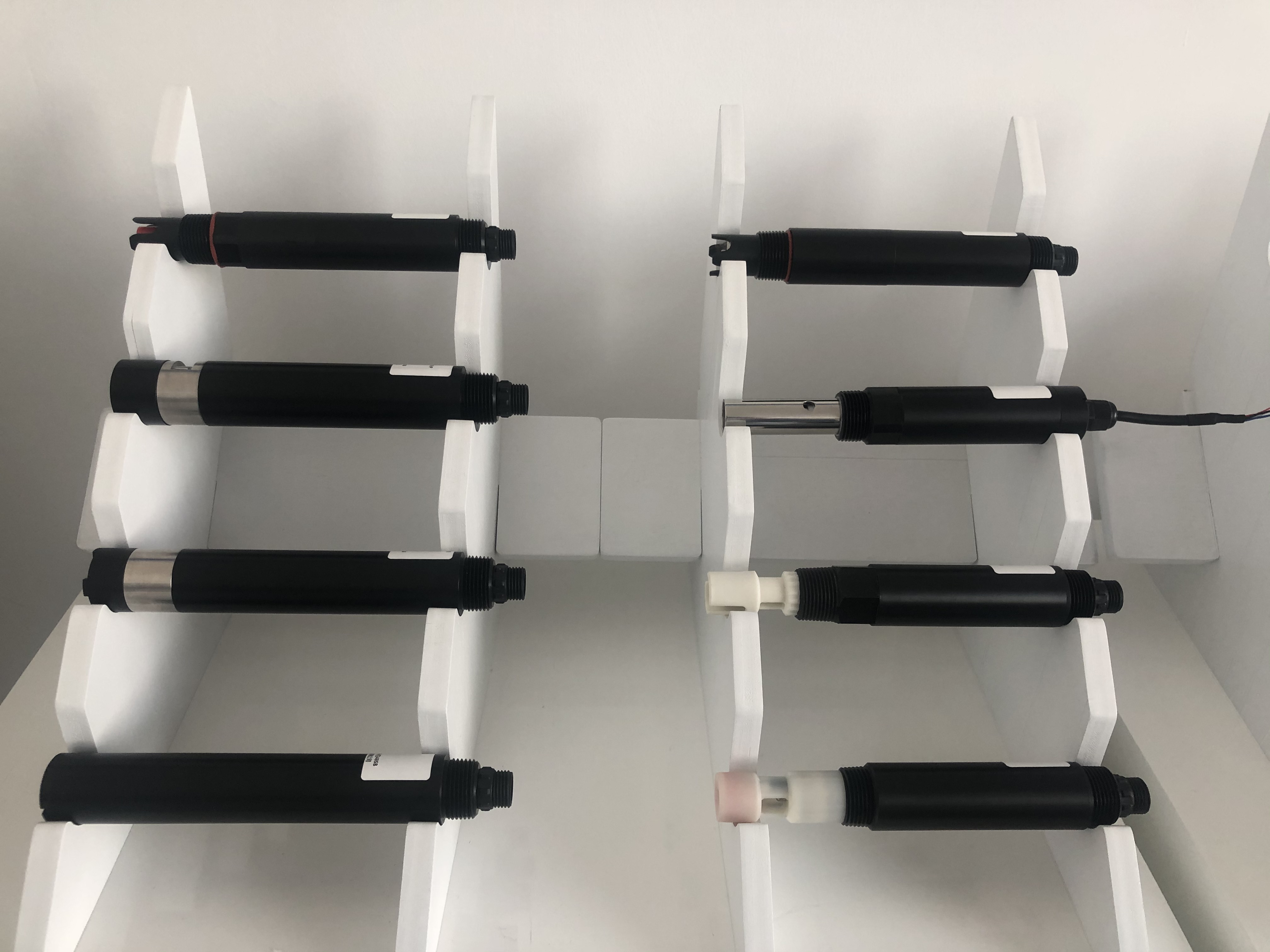
Multi-parameter platforms consolidate DO, pH, ORP and other channels into one controller, reducing probe count and calibration visits across a treatment train.
Denitrification and Anoxic Zones: ORP Places the Carbon Dose
The control objective in an anoxic zone is to keep the environment reducing enough for denitrification while supplying just enough carbon to finish the job — no more. This is a dosing decision, and ORP is the parameter that supports it. An Online ORP Sensor in the anoxic zone shows whether the redox condition is drifting, which is the earliest usable indication that the carbon dose or the recycle rate needs attention.
Nitrate nitrogen is the confirmatory parameter for the same stage: ORP indicates the condition, nitrate shows the result. Because parameter coverage must match the project rather than a generic list, the nitrate channel should be specified explicitly when the monitoring package is configured, together with the Multi-Parameter Water Quality Controller that will consolidate it with DO, ORP and pH.
Two practical constraints apply. First, ORP readings must not be compared across zones — the anoxic zone and the aerated zone have different reference conditions by design, so the value should be judged against its own trend. Second, anoxic zones are low-flow environments where a probe can sit in stagnant pockets, so mounting position and cleanability decide the long-run data quality. Detachable probes and anti-fouling surfaces are the relevant design features here.
Effluent and Compliance: Prove What Is Leaving the Plant
At the outfall the objective changes from control to evidence. The sensor set is the one the discharge permit and the receiving-water agreement call for, expressed as continuous readings rather than grab samples.
Ammonia nitrogen and COD are the two parameters most often used to summarise biological performance and residual organic load. An Online Ammonia Nitrogen Sensor and a Digital COD Sensor at the final sampling point give that trend. TSS at the effluent — from an Online TSS Sensor — protects the receiving water and catches clarifier carry-over before it becomes a visible discharge. pH closes the set, because it is both a permit condition and the parameter that explains many apparent ammonia excursions.
Where the effluent carries oil or hydrocarbon risk, KACISE lists oil-in-water detection sensors within its portfolio, and where multi-parameter screening is preferred, the KWS-800 Series covers pH, conductivity, dissolved oxygen and turbidity in one unit. The selection rule is the same at every stage: choose the parameter set first, then decide whether it is served by discrete units or by a shared multi-parameter platform.
Where the Controller Fits
The Multi-Parameter Water Quality Controller is the piece that turns a set of stage-appropriate sensors into a monitoring system. It consolidates channels from different stages so that the aeration DO reading, the anoxic ORP reading and the effluent ammonia reading can be compared in one place, and it provides the digital and analogue outputs that connect to SCADA, PLC or an IoT platform. KACISE builds for that integration natively: standardised output signals, RS-485 and Modbus communication, and compatibility with common industrial control systems.
Step-by-Step Breakdown: Building the Package
The sequence below is the one that keeps a stage-matching exercise from drifting into a component list. Each step produces a decision that the next step depends on.
A useful rule when resources are limited: instrument the stage whose failure is most expensive first. In most industrial plants that is the aerated zone, where both energy cost and ammonia risk concentrate.
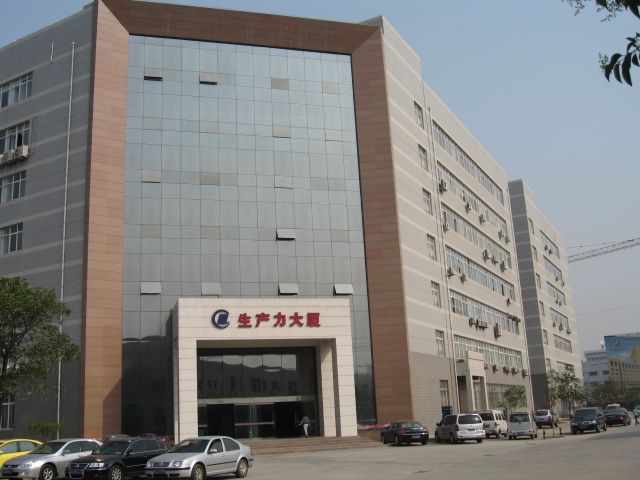
KACISE operates a 40,000 m² production facility with an annual output of 120,000 units and a monthly production capacity of 5,000 to 8,000 units.
Use Cases: How the Matching Logic Plays Out
Industrial Park Wastewater Plant with Nitrification and Denitrification
The train runs equalisation, anoxic, aerated and clarification stages. The package that fits is COD, TSS, pH and ORP at the inlet; ORP plus an explicitly specified nitrate channel in the anoxic zone; DO and ammonia nitrogen in the aerated zone with pH for alkalinity warning; and ammonia nitrogen, COD, TSS and pH at the outfall. A Multi-Parameter Water Quality Controller consolidates the DO, ORP, pH and ammonia channels so that a single trend view shows whether the anoxic condition and the aerated condition are moving together or drifting apart.
Food and Beverage Plant with High-Strength, Variable Load
Here the inlet load swings faster than the biology can adapt. The priority shifts to the front of the train: a Digital COD Sensor and an Online TSS Sensor on the incoming flow, with a Digital pH Sensor for neutralisation. The aeration stage still needs dissolved oxygen, but the operational value comes from detecting the swing early enough to use equalisation volume. Fouling resistance is the deciding feature on the COD and TSS units, because the stream carries fats and solids.
System Integrator Building a Monitoring Panel
An integrator buying for a municipal or industrial project needs channel count, output type and documentation rather than a single process answer. The selection question becomes how many channels the Multi-Parameter Water Quality Controller can consolidate, whether the analogue and digital outputs match the panel design, and how many spare-part variants the maintenance contract will carry. Consolidating into a shared platform reduces probe count, and with it the number of instruments the end user has to calibrate and stock.
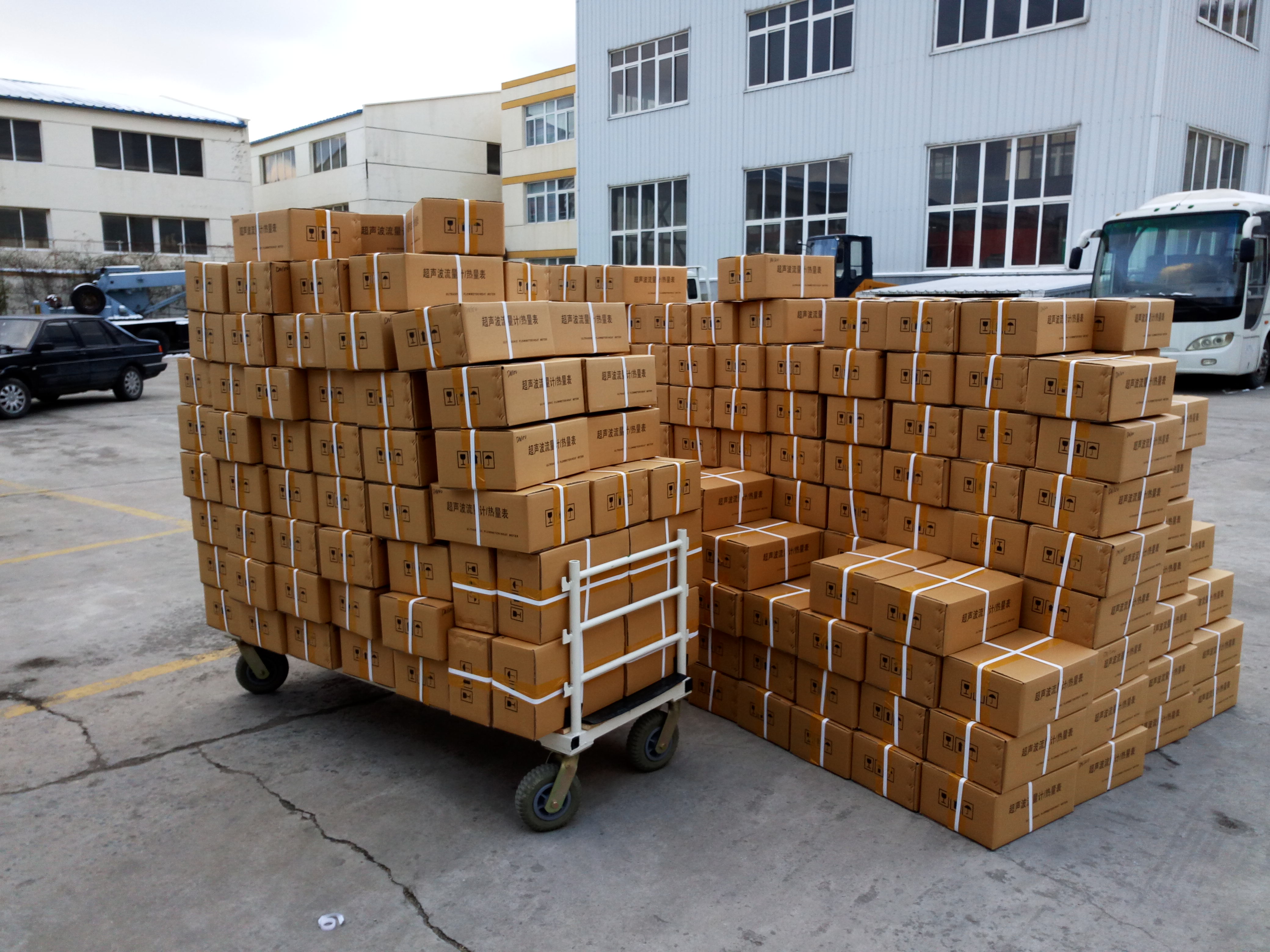
Delivery terms available for project orders: FOB, CIF, CIP and DDP.
Comparison Table: Parameter-to-Stage Mapping
| Treatment stage | Control objective | Parameters | KACISE online unit | Installation and maintenance note |
|---|---|---|---|---|
| Influent and equalisation | Load characterisation, shock detection, neutralisation | COD, TSS, pH, ORP | Digital COD Sensor, Online TSS Sensor, Digital pH Sensor, Online ORP Sensor | Site after gross debris removal; specify PTFE or 316L wetted parts on corrosive streams |
| Aeration and nitrification | Hold DO setpoint, confirm ammonia removal | DO, ammonia nitrogen, pH | Online Dissolved Oxygen Sensor, Online Ammonia Nitrogen Sensor, Digital pH Sensor | Place in moving water representative of the basin; avoid entrained air at the sampling point |
| Denitrification and anoxic zone | Carbon dosing and redox condition | ORP, nitrate nitrogen | Online ORP Sensor; nitrate channel specified per project | Judge ORP against its own trend, not against the aerated zone; watch stagnant pockets |
| Effluent and compliance point | Evidence of discharge quality | Ammonia nitrogen, nitrate nitrogen, COD, TSS, pH | Online Ammonia Nitrogen Sensor, Digital COD Sensor, Online TSS Sensor, Digital pH Sensor | Continuous readings support reporting better than grab samples; keep the sampling point stable |
| Train-wide integration | Consolidated view and control outputs | All of the above | Multi-Parameter Water Quality Controller | RS-485 and Modbus plus 4–20 mA dual output to SCADA, PLC or IoT platforms |
Mapping reflects the parameter responsibilities described in this guide and the product families KACISE lists. Site-specific ranges, materials and channel configurations are confirmed at project quotation.
FAQ
What compliance documentation can KACISE provide for a wastewater project?
KACISE states that it has held ISO 9001:2015 certification since 2016 and reports CE and RoHS compliance. Buyers should request the certificate and declaration documents themselves during qualification, along with the scope that applies to the specific product family being purchased, and should confirm the market requirements for their own jurisdiction before the package is frozen. Company-level quality claims and product-level conformity documents serve different purposes in a tender submission.
Can one controller manage sensors across several treatment stages?
Yes. The Multi-Parameter Water Quality Controller consolidates channels from different stages — for example aeration dissolved oxygen, anoxic ORP and effluent ammonia nitrogen — into a single signal chain, and connects to SCADA, PLC or IoT platforms through standardised outputs. KACISE reports RS-485 and Modbus digital communication together with 4–20 mA output, so a channel can report digitally and drive an analogue loop at the same time. Channel count and configuration should be confirmed against the project's point list.
What drives the cost of a stage-matched wastewater sensor package?
The dominant cost driver is the number of monitoring points and parameters, not the sensor count alone. Consolidating channels into a multi-parameter platform reduces probe count, and with fewer wetted parts the site carries fewer calibration visits and fewer spare-part variants over the life of the instrument. Installation conditions — debris, corrosion, foam and access — also affect cost, because they determine how often cleaning and maintenance have to happen. Quotations are built from the actual point list.
Can we validate a sensor on site before committing to a full stage rollout?
Yes. The minimum order quantity is one unit, which makes single-point validation practical before a stage-wide order. Pre-shipment testing with video recording is available as an acceptance criterion, and payment terms include T/T, Western Union and MoneyGram. Validating at the real installation point is the most reliable way to confirm that fouling, foam or interference conditions have been correctly judged.
What are the lead time and delivery options for a project order?
KACISE reports a monthly production capacity of 5,000 to 8,000 units and an annual output of 120,000 units from its 40,000 m² facility, which is the basis for scheduling stage-by-stage deliveries on a larger project. Delivery terms offered are FOB, CIF, CIP and DDP. For a staged installation, the usual approach is to confirm the full point list first and then release shipments according to the construction sequence — send the point list to the KACISE team to confirm scheduling.
Conclusion
Stage matching is a discipline rather than a product decision. The plant that instruments the inlet for load, the aerated zone for control, the anoxic zone for dosing and the effluent for evidence ends up with a smaller, more useful sensor set than one that buys instruments category by category. The rules that carry the most weight are the simplest: write the control objective before the parameter, fix the installation point before the product, and design the signal path at the same time as the wetted end.
For projects where the point list is already defined, the remaining work is configuration — which channels share the Multi-Parameter Water Quality Controller, which require 4–20 mA to a PLC, and which report digitally to a SCADA or IoT layer. KACISE supplies the online units for each stage of an industrial wastewater train and builds them for integration with the control systems already installed on site.
Send your stage-by-stage point list
Share the treatment stages, parameters and installation points for your project, and the KACISE team will return a matched sensor and controller configuration. A single unit can be ordered for validation before a stage-wide commitment.
Email: sales@kacise.com · Tel / WhatsApp: +86 180-6671-9659 · Website: www.kcsensor.com
Xi'an Kacise Optronics Tech Co., Ltd. — 2nd Building, Tianyuan International Mansion, High-tech Zone, Xi'an City, Shaanxi Province, China
Have Questions or Need More Details?
Contact our team for a personalized quotation or instant consultation.
Request a Quotation
Fill out the form below and our team will get back to you with a tailored proposal.
WhatsApp Direct Chat
Prefer to chat in real-time? Message us on WhatsApp for instant assistance & quick answers.
- Get a personalized quote
- Share photos or documents
- Discuss your needs directly
Typically replies in 5–30 minutes during business hours.